How Homeowners Can Spot Roof Damage and Choose Between Repair and Replacement
Key Takeaways
- Small leaks can cause damage to insulation, drywall, decking, and framing if ignored.
- Repairs may be appropriate when damage is limited, and the rest of the roof remains sound.
- Replacement can be more practical when leaks recur, deterioration is widespread, or several roof components are failing.
- Homeowners should inspect from safe locations, document what they find, and compare written scopes of work.
A small ceiling stain or a few shingles on the lawn can be easy to dismiss, but roof problems often develop out of sight. Water may travel along roof decking, rafters, insulation, or wall framing before becoming visible indoors. Addressing possible damage early through a careful inspection and appropriate roofing repair can help limit damage to the rest of the home.
The main decision is usually whether a focused repair will correct an isolated issue or whether a replacement is the more sensible long-term option. Neither choice is automatically right. The condition of the materials, the source and pattern of leaks, and the state of the roof deck all matter.
Start With the Warning Signs
Roof damage can show up outside, inside, or both. A visual review after major weather and at least once or twice a year can help homeowners recognize changes before water has time to spread.
Exterior Warning Signs
- Missing, cracked, curled, lifted, or brittle shingles
- Loose flashing near chimneys, skylights, vents, valleys, and walls
- Exposed fasteners, torn underlayment, sagging roof lines, or dark, damp patches
- Large amounts of shingle granules in gutters or at downspout outlets
- Dented vents, gutters, or metal surfaces after a hailstorm
Interior Warning Signs
- Brown or yellow stains on ceilings and upper walls
- Peeling paint, bubbling drywall, musty attic odors, or wet insulation
- Dripping after rain, visible mold, or daylight showing through the roof boards
Inspect Safely Before Calling for Help
Start from the ground with binoculars, then check upper rooms and accessible attic areas for moisture. Take clear photos, note when the issue appeared, and record recent wind, hail, or heavy rain. Avoid walking on a wet, icy, steep, visibly damaged, or storm-affected roof. Do not pull up shingles or work near wet electrical components. A safe visual review is useful, but it cannot confirm the full condition below the roof covering.
When a Roof Repair Usually Makes Sense
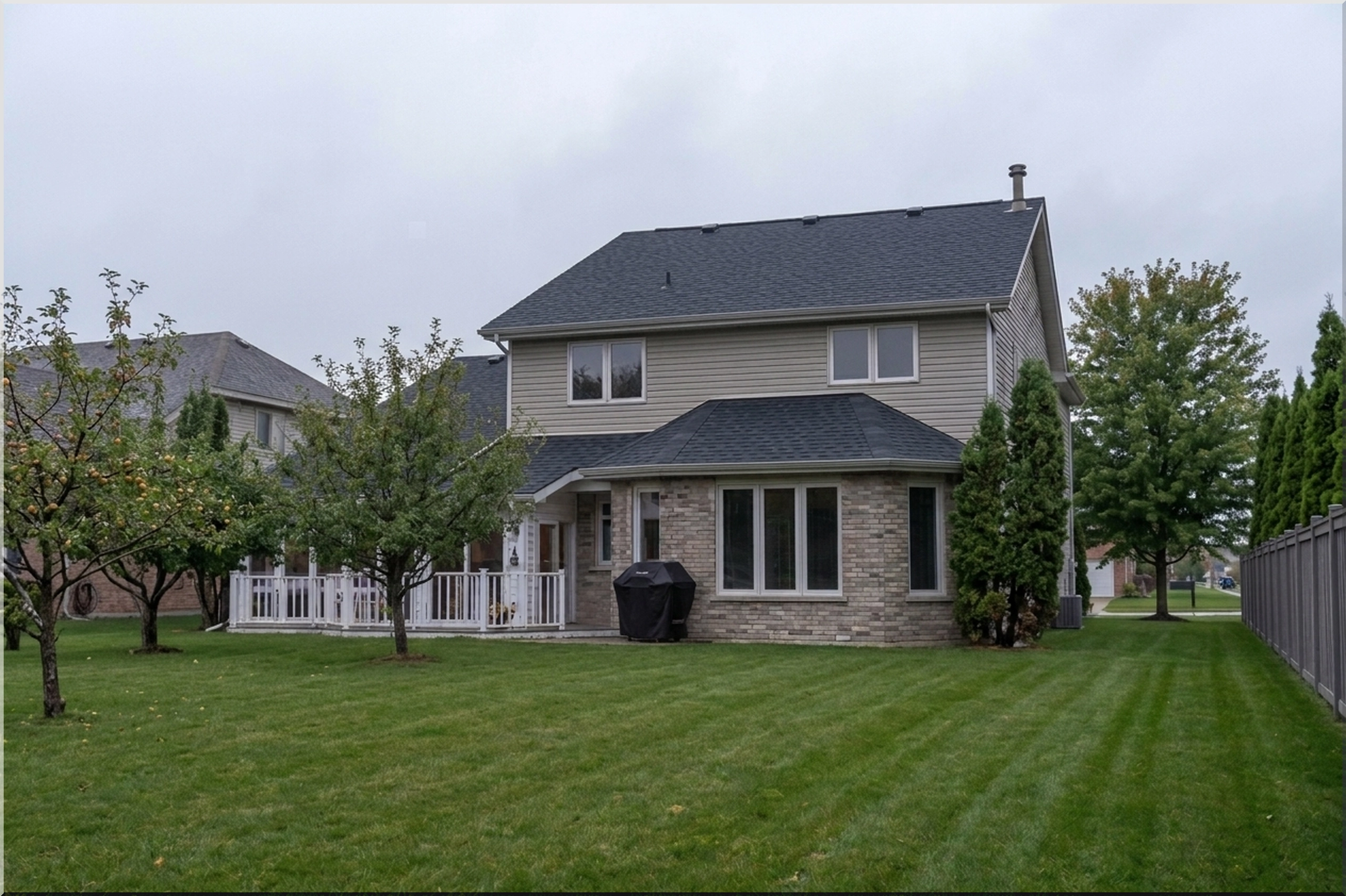
A repair may be a reasonable choice when the roof is otherwise in good condition, and the damage has a clear, limited source. For example, a newer roof with a handful of wind-lifted shingles or a single failed flashing detail around a vent may not need a complete overhaul. If a broader project is needed, homeowners should understand how the proposed roofing installation will address materials beneath the visible surface as well as the new outer covering.
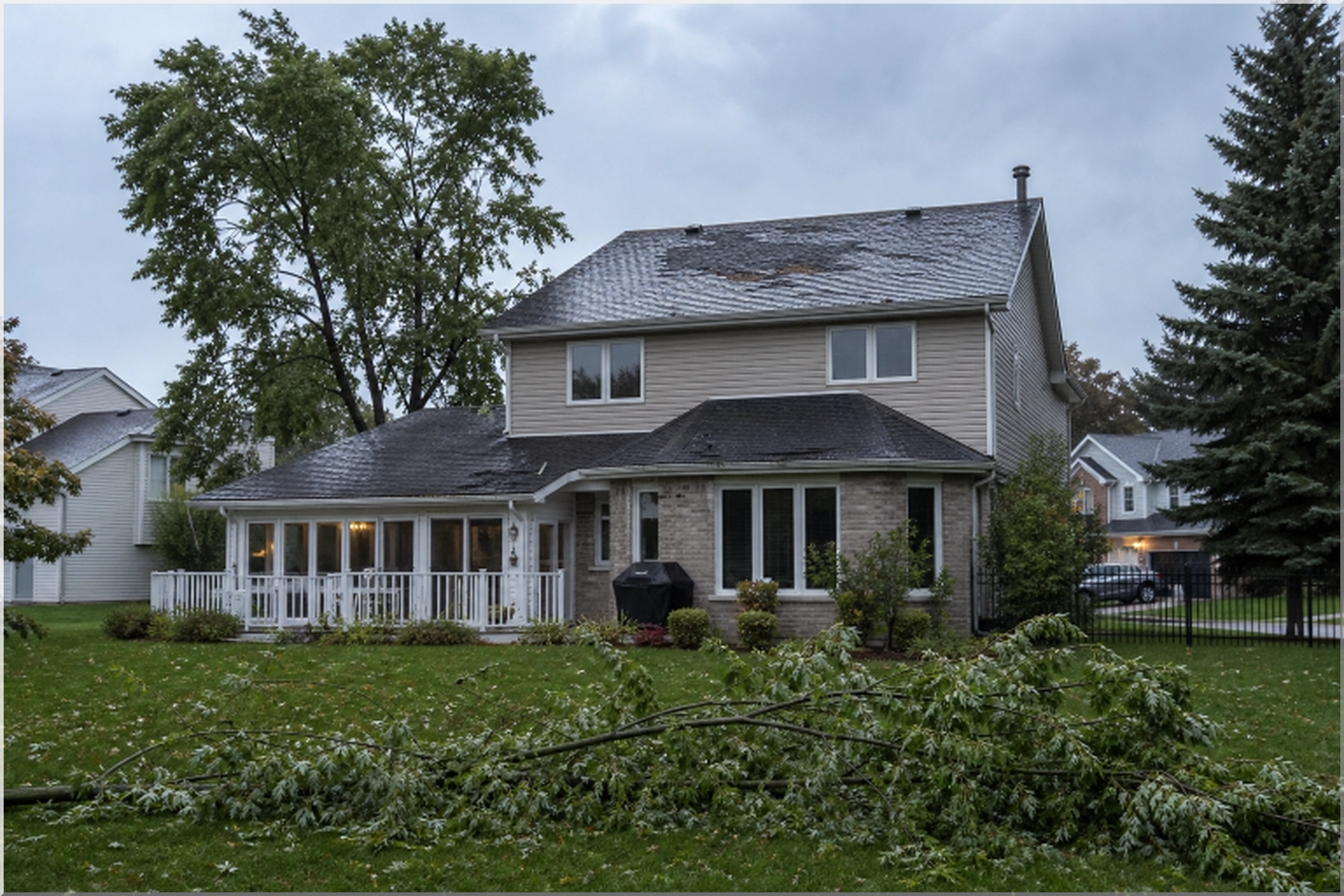
Focused work is generally more suitable when the affected area is small, the surrounding shingles remain flexible and secure, the roof deck is dry and stable, and there is no history of leaks occurring in other parts of the home. A repair should correct the source of water entry, not simply conceal the symptom.
When Replacement May Be the Better Choice
Age alone does not determine whether replacement is necessary. It becomes a stronger possibility when several issues appear together: recurring leaks after earlier fixes, damage across multiple slopes, widespread granule loss, brittle or severely curled shingles, soft decking, or drainage and ventilation problems affecting the entire roof system.
Repeated patching can cost more over time if each repair only postpones a larger failure. Replacement may provide a clearer opportunity to inspect the deck, renew flashing and underlayment where needed, and correct system-wide concerns before new materials are installed.
Compare the Options by Condition, Not Just Price
- Damage area: A repair may fit one isolated section. Replacement may fit damage across several roof sections.
- Leak pattern: One known source can often be repaired. Spreading or repeated leaks deserve a broader evaluation.
- Material condition: Sound surrounding materials support repair. Widespread aging and deterioration point toward replacement.
- Decking condition: Dry, stable decking supports a limited fix. Damp, soft, or deteriorated decking requires more investigation.
- Long-term cost: A one-time correction may be economical, while recurring seasonal repairs can make replacement more practical.
Consider the Whole Roofing System
Shingles are only one layer of protection. A thorough evaluation should consider underlayment, flashing, valleys, roof-to-wall transitions, penetrations, decking, attic ventilation, gutters, downspouts, and drainage around the building. Inadequate ventilation can hold heat and moisture in the attic, while blocked drainage can send water toward roof edges and vulnerable connections.
What to Do After Wind, Hail, or Heavy Rain
- Check the property from a safe location for missing materials, branches, dents, and visible leaks.
- Photograph damage before cleanup or permanent work begins.
- Use safe temporary protection if water is entering the home, and keep receipts for emergency materials.
- Contact the insurer early, since coverage, deadlines, and documentation requirements vary by policy.
Homeowners can use recovery guidance after a disaster to help organize post-storm questions about written bids, contractor details, roof decking, and final payment. Local code requirements and insurance obligations can differ, so they should also be confirmed with the appropriate local office and insurer.
How to Review an Estimate and Hire Carefully
Compare estimates by scope, not just the final figure. Each written proposal should state the areas included, material type, flashing work, possible decking costs, ventilation work, tear-off and disposal, site cleanup, payment schedule, project timing, and warranty terms. Lower-priced proposals may leave out important steps, making a direct comparison misleading.
Before signing, ask what caused the damage, whether hidden moisture is likely, who handles permits, what happens if deteriorated decking is found, and how the work will be documented. The written estimates and signed contracts recommended for disaster repairs are also sensible protections for routine roofing work. Keep copies of agreements, warranties, invoices, photos, and payment receipts.
Common Mistakes to Avoid
- Waiting for an active ceiling drip before investigating a stain
- Walking on a wet or damaged roof
- Selecting a contractor based only on the lowest price
- Signing incomplete agreements or paying the entire amount before completion
- Assuming every repair is covered by insurance
- Ignoring attic moisture, ventilation, or drainage concerns
A Simple Roof Decision Checklist
- Spot: Record exterior and interior warning signs.
- Protect: Limit further water entry with safe temporary measures.
- Document: Save photos, weather notes, estimates, and receipts.
- Inspect: Obtain a detailed assessment of the roof system.
- Compare: Review repair and replacement options using the same scope of work.
- Plan: Choose work that addresses the actual cause and the roof's overall condition.
Conclusion
Roof decisions are easier when they are based on evidence rather than urgency. Early warning signs, safe documentation, a full-system inspection, and detailed written estimates can clarify whether a targeted repair is enough or replacement offers better long-term value. Taking action before a small issue becomes a major leak can protect both the home and the household budget.
- Add new comment
- 3 views