Table of Contents
- Why Energy-Efficient Doors Matter
- Key Features of Energy-Efficient Doors
- Materials and Their Insulation Properties
- Understanding Energy Performance Ratings
- Proper Installation and Maintenance
- Cost-Benefit Analysis
- Conclusion
Upgrading your home's entryways can have a substantial impact on energy efficiency and overall comfort throughout the year. Modern replacement doors are designed to minimize energy loss and maintain consistent indoor temperatures, making them a worthwhile investment for homeowners seeking to lower their utility bills. By reducing unwanted drafts and limiting heat transfer, these doors contribute to a more energy-efficient home environment.
Many homeowners are surprised by how much of their home’s energy can be lost through old or poorly insulated doors. With the right upgrades, it’s possible to not only enhance comfort but also enjoy significant financial savings over time. This makes energy-efficient doors a practical solution for anyone looking to optimize their home’s thermal performance.
An often overlooked factor is how these upgrades complement other efficiency improvements in the home, such as better insulation or upgrading to efficient windows. When considered together, these measures can provide even greater reductions in heating and cooling costs, while also supporting sustainability goals.
This article explores the key benefits of energy-efficient doors, their features, the best materials for insulation, and offers guidance on performance ratings and proper maintenance. With this knowledge, homeowners are empowered to make informed decisions that can improve comfort and save money.
Why Energy-Efficient Doors Matter
Doors are a vital part of a home's thermal envelope, which is the barrier between the conditioned indoor space and the outdoors. When doors are not adequately insulated, or if they have gaps and worn weatherstripping, they become points of significant energy loss. According to the U.S. Department of Energy, windows, doors, and skylights can collectively account for up to 25% of home energy loss. For households interested in reducing their carbon footprint, investing in high-quality, energy-efficient doors is a tangible step toward improvement. These doors are not just about comfort, but also about reducing the overall demand on heating and cooling systems, which is an important consideration for both sustainability and cost control.
Key Features of Energy-Efficient Doors
When evaluating energy-efficient doors, it is important to look for specific performance features that make these products stand out:
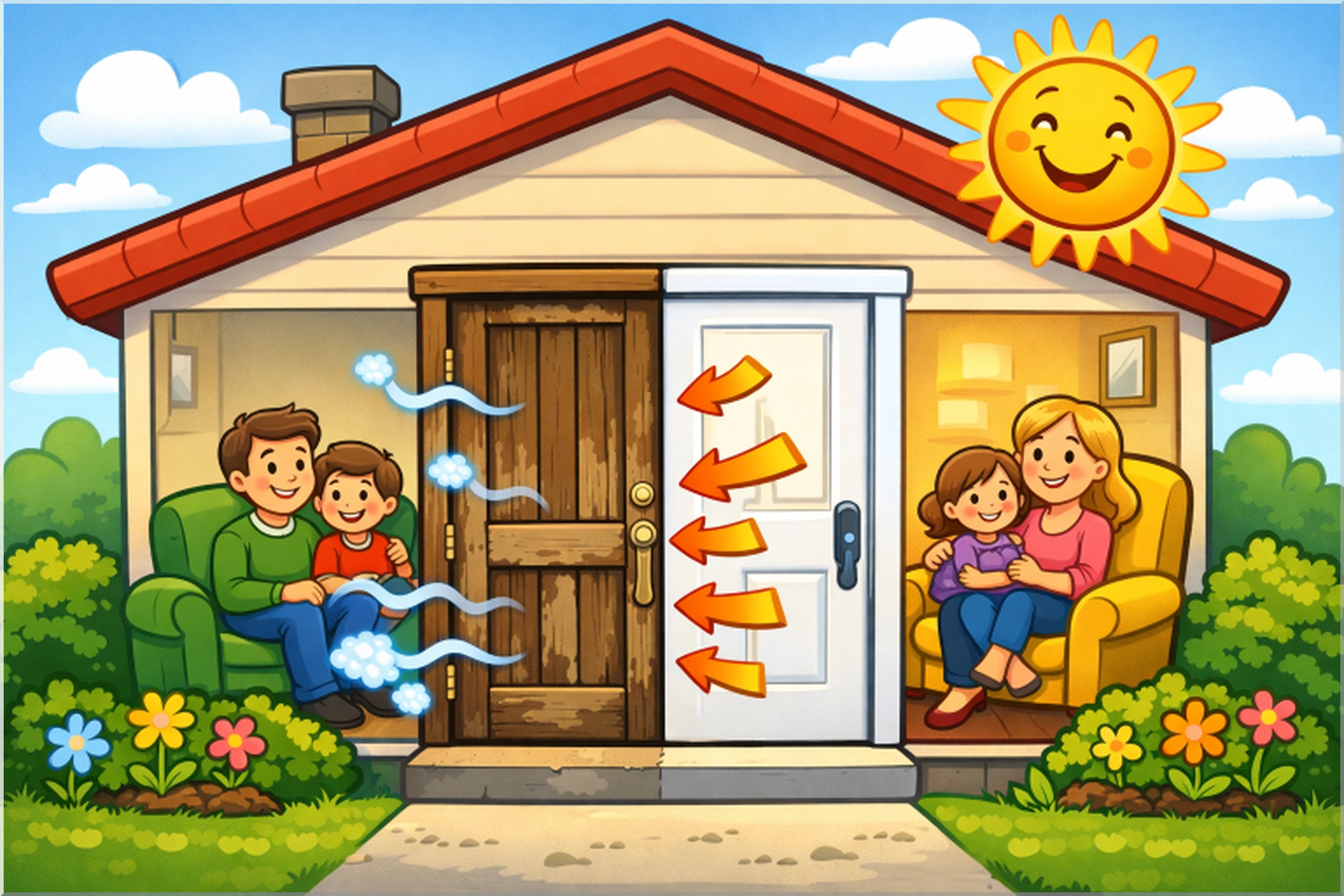
- Insulated Core: The core material is essential in determining a door's insulating value. Most high-performance models use a polyurethane foam core, which helps achieve impressive R-values and effectively blocks heat transfer.
- Quality Weatherstripping: Durable, well-installed weatherstripping around the edges of the door creates a tight seal, preventing cold air from entering in winter and hot air from penetrating during summer months. Regular inspection and replacement of weatherstripping can maximize long-term efficiency.
- Energy-Efficient Glass: Many doors feature glass inserts that can be a source of heat loss. Look for multi-pane options with low-emissivity (Low-E) coatings, which further reduce the potential for unwanted temperature transfer.
Materials and Their Insulation Properties
The material a door is made from directly affects its insulation capabilities and maintenance needs:
- Fiberglass: Renowned for its excellent insulating properties, fiberglass doors can reach R-values between R5 and R7. They resist warping, require little maintenance, and perform well in various climates.
- Steel: These doors offer good insulation, generally within the R5 to R6 range, and provide enhanced security. However, they may need extra maintenance to prevent potential rusting if the protective finish is compromised.
- Wood: While visually appealing and often used for historic or architectural consistency, wood doors typically have lower R-values, between R2 and R3, and demand ongoing sealing or painting for long-term durability.
Understanding Energy Performance Ratings
Energy performance labels equip consumers with essential information to help compare doors based on objective criteria:
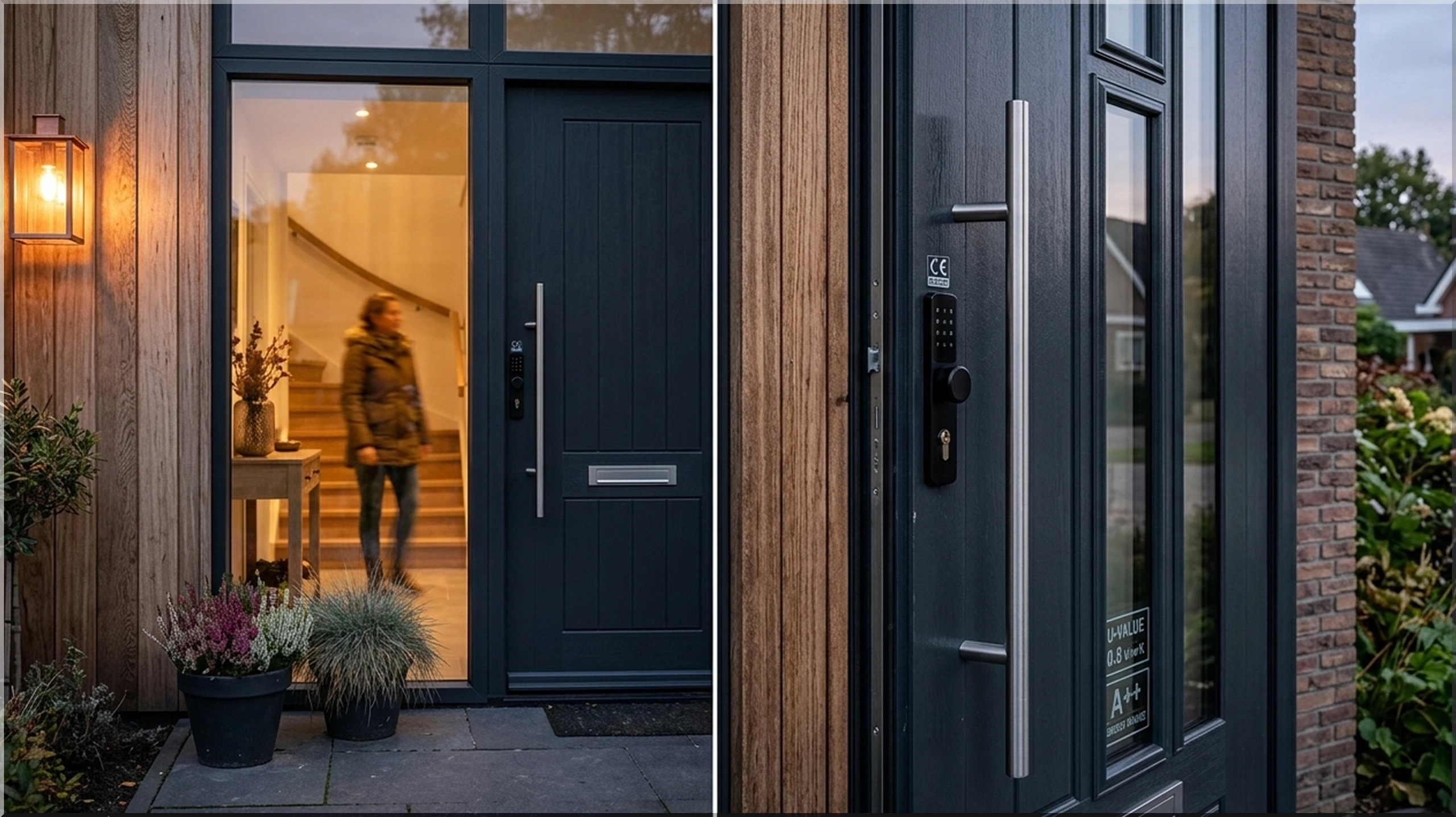
- U-Factor: Indicates the rate of heat transfer; lower U-factors signify superior insulation and better energy efficiency.
- Solar Heat Gain Coefficient (SHGC): Expresses how much solar radiation passes through the door; lower SHGC values are particularly beneficial in warm climates to limit heat gain.
- ENERGY STAR Certification: Products that meet the U.S. Environmental Protection Agency’s criteria for energy performance are ENERGY STAR certified, providing additional assurance for buyers.
Proper Installation and Maintenance
Without correct installation, even top-performing doors will fail to deliver optimum results. Gaps and misalignments lead to drafts and ongoing energy loss. Always work with qualified professionals to ensure doors are hung snugly in their frames. Routine inspection and timely replacement of weatherstripping, along with checking for visible gaps or damage, help sustain energy efficiency over time.
Cost-Benefit Analysis
The upfront investment in energy-efficient doors is often higher than purchasing standard models. However, the resulting savings can be significant over the lifespan of the product. The U.S. Department of Energy highlights that choosing and correctly installing efficient models reduces the need for space conditioning and can lower overall energy expenditures. Moreover, energy-efficient doors may contribute to increased property values and a greater sense of year-round comfort for occupants.
Conclusion
When considering enhancements to your home's efficiency, energy-efficient doors should be at the top of your list. Understanding key features, insulation materials, and energy performance ratings is crucial for making informed decisions. Proper installation and ongoing maintenance are also vital for maximizing the benefits of your investment. By taking these steps, homeowners can successfully reduce energy bills, improve indoor comfort, and contribute to environmental sustainability.