How Regular Grease Trap Maintenance Prevents Plumbing Disasters
Key Takeaways
- Routine grease trap maintenance prevents buildup and costly blockages.
- Careful upkeep protects your plumbing infrastructure and avoids repairs.
- Compliance with health codes is easier when grease traps are serviced regularly.
- Preventive maintenance decreases emergency interventions and business downtime.
Table of Contents
- Prevents Clogs and Backups
- Extends Plumbing System Lifespan
- Maintains Compliance with Health Regulations
- Reduces Emergency Plumbing Costs
- Recommended Maintenance Schedule
- Best Practices for Grease Trap Maintenance
- Conclusion
Keeping commercial kitchens running smoothly requires diligent maintenance of all equipment, but none more so than the grease trap. When overlooked, it can quickly become a source of headaches, leading to severe blockages, emergency repairs, or even forced business closures due to health code violations. Regular Grease Trap Cleaning is a critical element in a proactive plumbing maintenance routine, safeguarding your business from costly disruptions.
A well-maintained grease trap intercepts fats, oils, and grease (FOG) before they ever reach your plumbing system. This not only maintains smooth drainage but also helps your establishment stay ahead of health regulations and prevent those all-too-common plumbing emergencies. Understanding the actual impact of proper grease trap care can transform how you manage your facility’s maintenance schedule.
Many kitchen owners underestimate the long-term consequences of neglected grease traps. The accumulation of FOG leads to clogged pipes, reduced plumbing efficiency, and potentially expensive remediation should disaster strike. Routine cleaning ensures straightforward operation, lets you budget confidently, and enhances the safety and hygiene of your workplace.
Beyond basic cleaning, additional plumbing measures such as sewer jetting can be invaluable in removing stubborn obstructions and maintaining optimal flow throughout your entire system.
Prevents Clogs and Backups
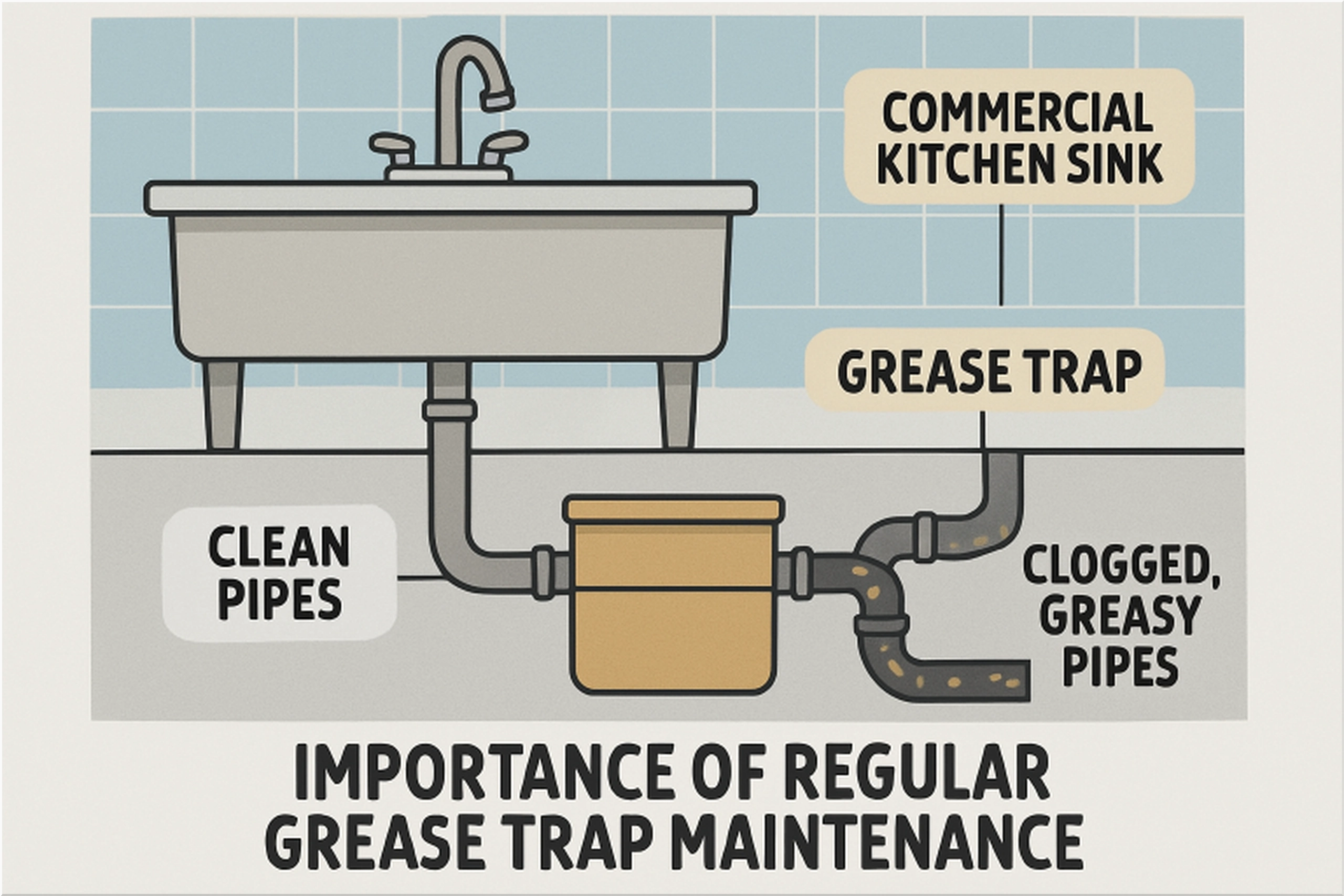
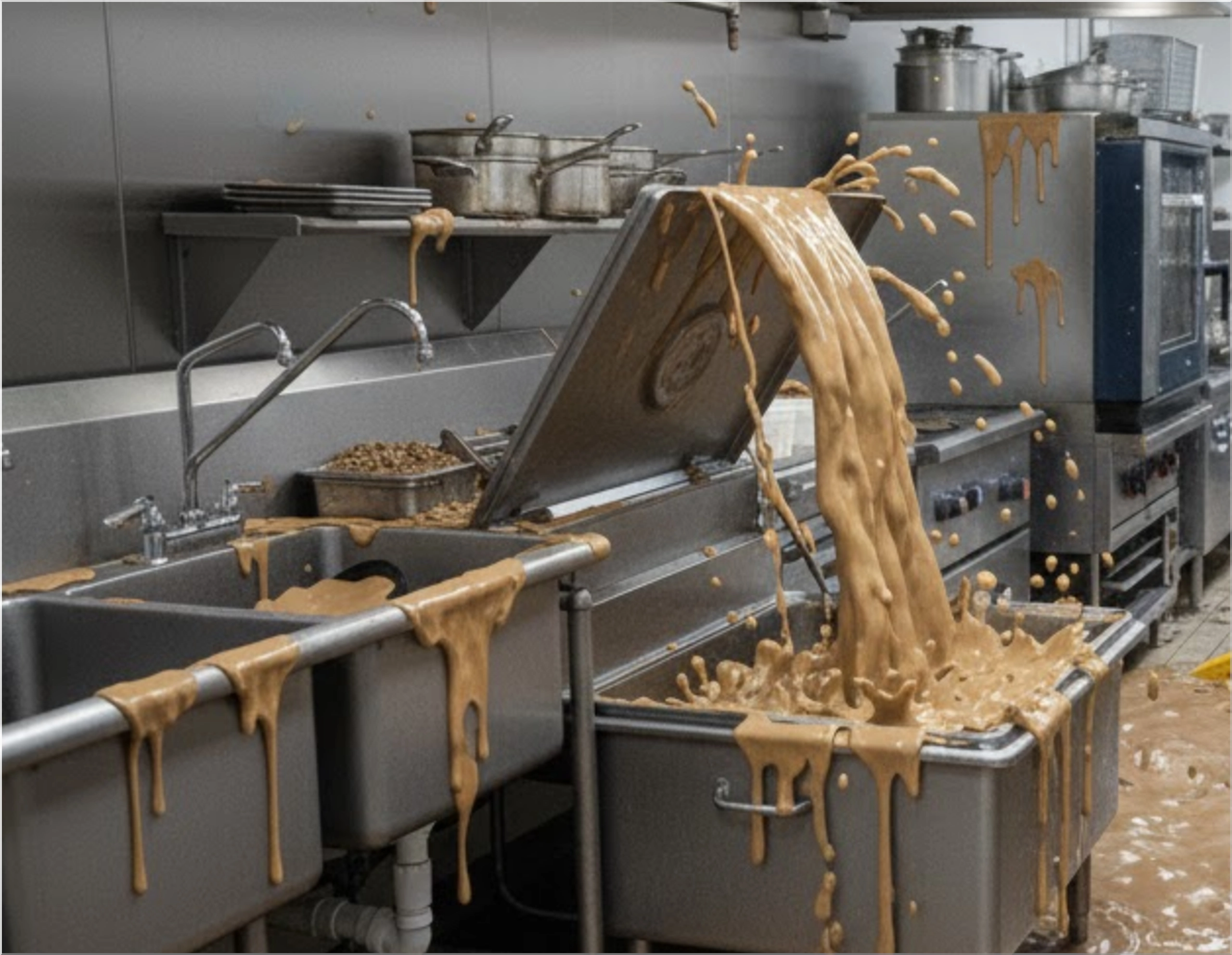
Grease traps serve a fundamental purpose: they stop FOG from entering your drain lines, where even small amounts can rapidly accumulate and form persistent blockages. If not regularly cleaned, a full grease trap will allow grease to overflow into the drainage system, slowing down sink drainage and raising the risk of backflow. The resulting backups can halt kitchen operations, compromise hygiene, and lead to expensive cleanups. Proactive grease trap maintenance is the surest way to preserve efficient water flow and sidestep avoidable, messy plumbing incidents.
Extends Plumbing System Lifespan
Thick layers of hardened grease not only lead to clogs but also magnify pressure throughout your plumbing network. Over time, this heightened pressure can cause pipes to crack, erode joints and fittings, and lead to leaks. By hiring professionals to remove FOG buildup at regular intervals, you are investing in the longevity of your pipes, drains, and municipal sewer connections. A robust, clean system operates under less strain and avoids frequent breakdowns, which reduces the likelihood of substantial plumbing repairs over time.
Maintains Compliance with Health Regulations
Health codes mandate grease management not just for safe water disposal, but also to prevent the proliferation of pests and dangerous bacteria. Stations where grease is allowed to collect and decompose can produce foul odors and cause biological hazards, which put your business at risk of inspection failures. Scheduled, professional grease trap cleaning ensures health department requirements are met at all times, giving peace of mind and protecting commercial licenses. Following guidelines helps foster a safer environment for both employees and customers.
Reduces Emergency Plumbing Costs
Few things are as disruptive or costly for restaurants as a sudden plumbing emergency. Blockages created from trapped FOG can trigger flooding, foul smells, and forced closures until repairs are completed. Emergency plumbing interventions often come at a significant premium, not to mention the potential loss of revenue during downtime. Regular, inexpensive maintenance keeps pipes open, averts crises, and allows for predictable operational costs, ensuring your kitchen stays productive and profitable.
Recommended Maintenance Schedule
The frequency of cleaning your grease trap depends on the size of your business’s kitchen and its daily cooking volume. For most small- to medium-sized grease traps (under 1,000 gallons), cleaning every one to two months is generally recommended. Highly active kitchens may require more frequent monthly or even biweekly servicing. Larger units processing higher FOG quantities might be serviced every two to three months. Adhering to a routine schedule that’s tailored to your usage is crucial for both compliance and optimal system functionality.
Best Practices for Grease Trap Maintenance
- Maintain easy access to the grease trap for regular inspections and cleaning.
- Never connect dishwashers directly to grease traps, as hot water and detergents can dissolve grease and hinder separation.
- Avoid routing waste from food disposal units into the grease trap to prevent excessive solid accumulation.
- Do not modify grease trap components unless done by a licensed technician in accordance with the manufacturer's guidelines.
- Grease trap cleaning can be performed by trained staff or, ideally, a licensed hauler who will also dispose of waste according to regulations.
- Most traps require cleaning every 90 days at a minimum; however, manufacturers’ recommendations and the volume of usage may necessitate more frequent attention.
- During each cleaning, inspect the internal parts for wear and damage, and ensure proper installation.
- Ongoing repairs and preventative maintenance are the owner’s responsibility to ensure the trouble-free operation of the property.
- The direct addition of bio-additives, enzymes, or harsh chemicals to a grease trap is prohibited, as they can interfere with the separation and disposal processes.
Conclusion
Routine grease trap maintenance is not just about protecting pipes; it's vital for preventing sudden disasters, ensuring a hygienic workspace, and remaining compliant with all relevant health regulations. Whether performed by business owners or trusted professionals, diligent care reduces emergency costs, keeps operations running smoothly, and protects your kitchen’s investment for years to come.
- Add new comment
- 73 views