How Regular Cleaning Services Improve Indoor Air Quality
Key Takeaways
- Regular cleaning removes dust, allergens, and pollutants, thereby improving indoor air quality.
- Professional services reach places often missed during routine tidying and utilize tools designed for maximum cleanliness.
- Ongoing cleaning routines deter mold growth and minimize respiratory health issues.
Many people associate cleaning with appearance, but maintaining a consistently clean home is fundamental to your well-being. Using a professional cleaning company can enhance the air you breathe indoors, making your living space healthier by reducing airborne contaminants. Indoor air quality often goes unnoticed, yet it plays a vital role in respiratory health, allergy prevention, and even mood and productivity.
While surface cleaning removes visible dirt, it is routine, thorough cleaning that addresses the unseen particles floating in your air. Pet dander, dust, mold spores, and pollen can all accumulate without routine intervention. By regularly using expert cleaning services, your home becomes an environment where you and your family can breathe easier and stay healthier over time.
The Link Between Cleanliness and Air Quality
Airborne particles from outdoor pollutants, cleaning supplies, cooking, and day-to-day activities can all contribute to diminished indoor air quality. Over time, these elements settle in carpets, upholstery, and other soft furnishings. Removing them effectively takes more than a quick sweep. A regular cleaning schedule helps prevent the buildup of irritants that can worsen existing allergies and respiratory conditions.
A comprehensive cleaning approach not only removes dirt but also disrupts the life cycles of pests such as dust mites, which are commonly linked with allergic flare-ups. Maintaining a clean home is a fundamental step in improving indoor air quality. This makes regular cleaning not just about comfort, but about protecting your health every day.
Beyond regular tidying, occasional deep cleaning is essential for removing stubborn dirt and grime that accumulates over time. Deep cleaning targets hidden dust pockets under furniture, in air vents, and along trim, further reducing indoor pollutants and making a noticeable difference in the freshness of your home's air.
Benefits of Professional Cleaning Services
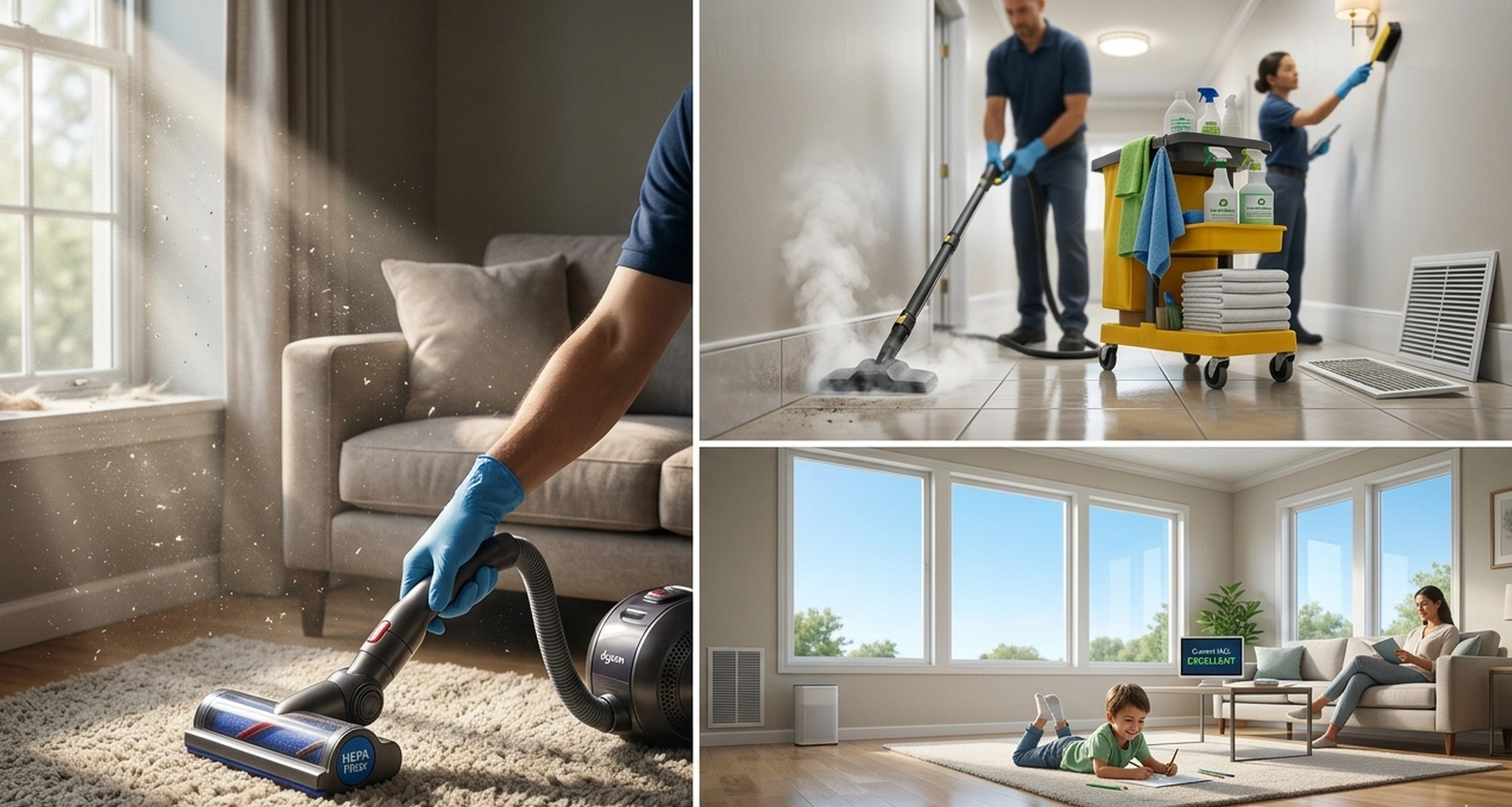
Although many people handle routine cleaning on their own, partnering with professional cleaning services can make a dramatic difference. Professionals bring experience and advanced tools that homeowners may not have readily available. Specialized vacuums fitted with HEPA filters, for example, are designed to trap dust and allergens more effectively than conventional equipment, ensuring a far cleaner environment. Additionally, these services pay special attention to often-overlooked spots such as baseboards, behind appliances, and inside light fixtures.
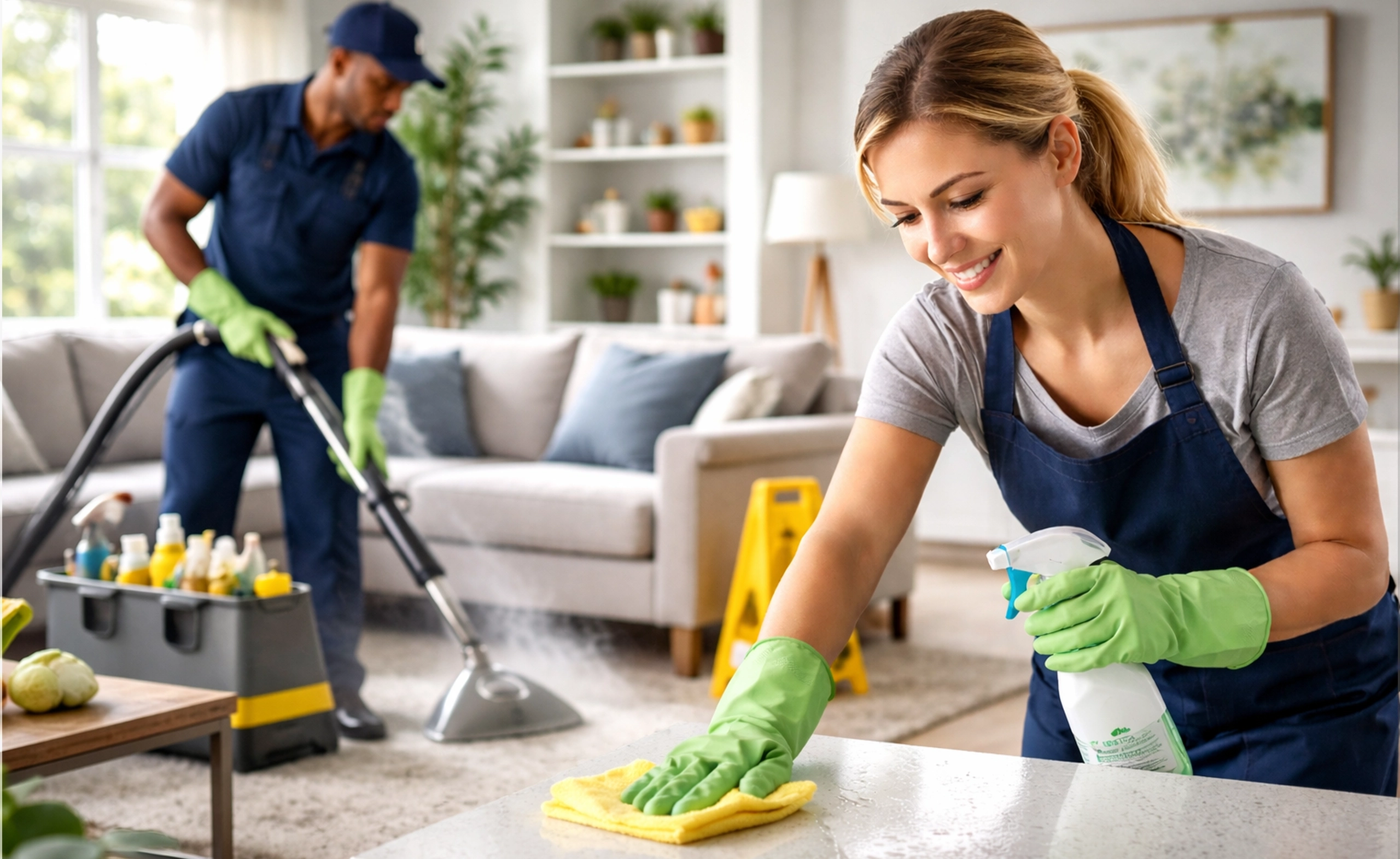
Professional cleaners also tend to use safe, effective cleaning solutions, minimizing the risk of introducing harsh chemicals into your home. This ensures your living space is not just visually clean, but also free of residues that could irritate lungs or skin. The consistency and thoroughness that come with professional help can greatly reduce the sources of indoor air pollution.
Advanced Equipment and Techniques
One of the main advantages of hiring experts is access to advanced equipment and time-tested techniques. HEPA-filter vacuums capture even microscopic particles that conventional vacuums may recirculate into the air. Microfiber cloths trap dust instead of pushing it around, and steam cleaners sanitize surfaces without the need for toxic substances. These advanced methods ensure that every corner of your home receives a level of clean that elevates air quality for all residents.
Eco-friendly cleaning products are becoming increasingly common among professionals, helping create a healthier home environment. Unlike conventional cleaners, these products are formulated to be safe for children, pets, and allergy sufferers, lowering the risk of chemical exposure while still achieving exceptional results.
Preventing Mold and Mildew
Moisture control is critical for keeping mold and mildew at bay, both of which can have a serious negative impact on air quality. Bathrooms, kitchens, and basements are especially vulnerable due to their higher humidity levels. Regular cleaning, coupled with proper ventilation, helps keep these spaces dry and disrupts the mold growth cycle. The Centers for Disease Control and Prevention recommends frequent cleaning and prompt removal of any visible mold as part of a robust prevention strategy.
Reducing Allergens and Pollutants
Frequent vacuuming, dusting, and laundering of linens all help reduce common indoor allergens, such as pet hair, pollen, and dust mites. For those with asthma or allergies, this can mean fewer symptoms and a safer living space. Cleaning also reduces the buildup of potentially harmful pollutants, including volatile organic compounds (VOCs) emitted by some household products and furnishings.
Establishing a Cleaning Routine
Developing a structured cleaning schedule is the best way to maintain optimal indoor air quality. Daily tasks like wiping down surfaces, vacuuming high-traffic areas, and emptying trash add up to a big difference over time. Complementing these with weekly and monthly chores, such as washing drapes, deep cleaning carpets, or dusting vents, ensures that accumulated pollutants never reach problematic levels.
Conclusion
Prioritizing regular cleaning through both personal routines and professional services creates a safer, more comfortable home environment. Consistently reducing pollutants and allergens that accumulate in your living space improves indoor air quality and protects your family's health. By making these efforts a part of your routine, you take a proactive step in fostering well-being, preventing allergies, and sustaining comfort year-round.
- Add new comment
- 71 views