Plumbing and Sustainability: Building a Greener Future
Key Takeaways
- Learn how modern plumbing practices contribute to sustainability.
- Discover innovative water-saving technologies and their impact.
- Understand the importance of eco-friendly plumbing materials and methods.
Introduction
The plumbing sector is rising to the occasion to contribute significantly to sustainability as environmental concerns gain global attention. By embracing innovative technologies and eco-friendly practices, a plumber can make a substantial impact on water conservation and overall environmental health. This article examines the value of sustainability in the plumbing sector with an emphasis on environmentally friendly materials and water-saving methods. It highlights the need for informed decisions by homeowners and professionals, benefiting both their wallets and the environment. By understanding these practices, we can contribute to a greener future.
Water-Saving Technologies
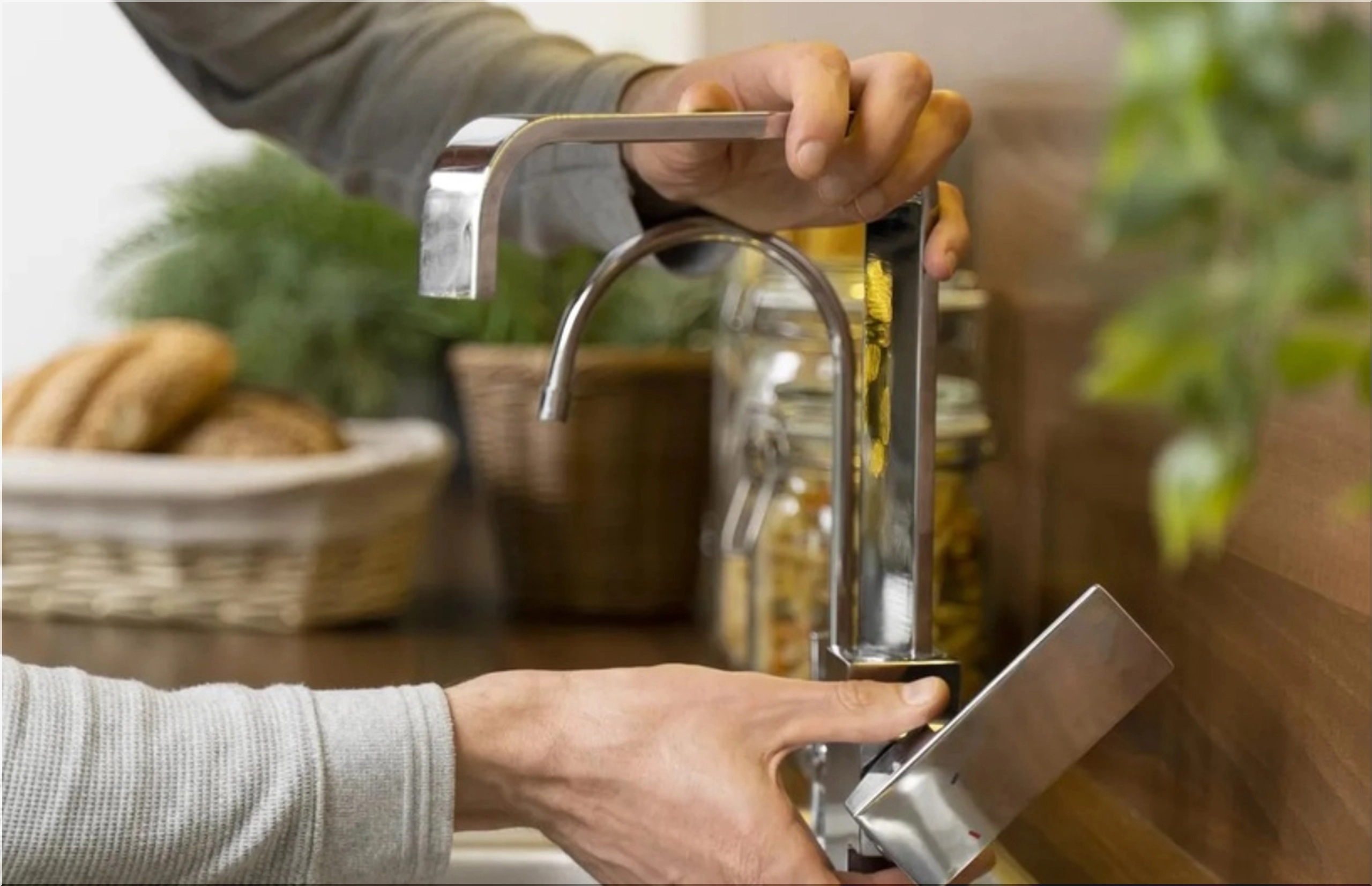
The plumbing industry is promoting sustainability by implementing water-saving technologies like low-flow toilets, faucet aerators, and innovative irrigation systems. These technologies can save thousands of gallons of water per household annually, according to the EPA. As little as 1.28 gallons are needed to flush a low-flow toilet, and faucet aerators lower flow rates without compromising water pressure. Smart irrigation systems use weather data and soil moisture sensors to optimize watering schedules, preventing over-watering and reducing water usage by 30–50%.
Eco-Friendly Materials
Sustainable plumbing involves using eco-friendly materials like PEX piping and brass fittings. These materials are safer for the environment and enhance the longevity and efficiency of plumbing systems. PEX piping is flexible, resistant to scale and chlorine, and can withstand a more comprehensive range of temperatures. Brass fittings are durable, recyclable, and resistant to corrosion, reducing the industry's carbon footprint. By adopting eco-friendly materials, plumbing companies can provide reliable and long-lasting solutions for homeowners, reducing their carbon footprint.
Sustainable Practices
The plumbing industry can adopt sustainable practices to reduce environmental impact, such as regular maintenance to prevent leaks and promote water-saving habits among homeowners. Regular inspections and repairs can prevent minor issues from escalating into significant problems. At the same time, everyday practices like turning off taps, using shorter showers, and installing water-efficient fixtures can conserve water. Educational initiatives and community programs can also help raise awareness about water conservation, supporting long-term sustainability goals in the plumbing industry.
Benefits of Green Plumbing
Sustainable plumbing practices conserve water resources, reduce energy consumption, and minimize waste, benefiting homeowners and communities by lowering utility bills and carbon footprints. The plumbing industry can address environmental challenges by using innovative technologies, eco-friendly materials, and sustainable practices. Reducing water usage reduces water treatment demand and energy consumption, while eco-friendly materials minimize harmful environmental impacts. Integrating sustainability into plumbing practices is a necessary evolution to meet contemporary environmental challenges. Professionals and homeowners alike may help create a healthier environment and guarantee that future generations have access to clean water by making educated decisions and implementing greener practices.
- Add new comment
- 135 views