How to Build a Spring Salad Garden That Keeps Fresh Greens Coming
A spring salad garden turns a small patch of soil, a raised bed, or a few balcony pots into the most useful corner of the home. It gives you lettuce with snap, radishes with bite, herbs with actual personality, and the quiet satisfaction of beating the supermarket clamshell at its own game.
Start With a Simple Spring Salad Garden Plan
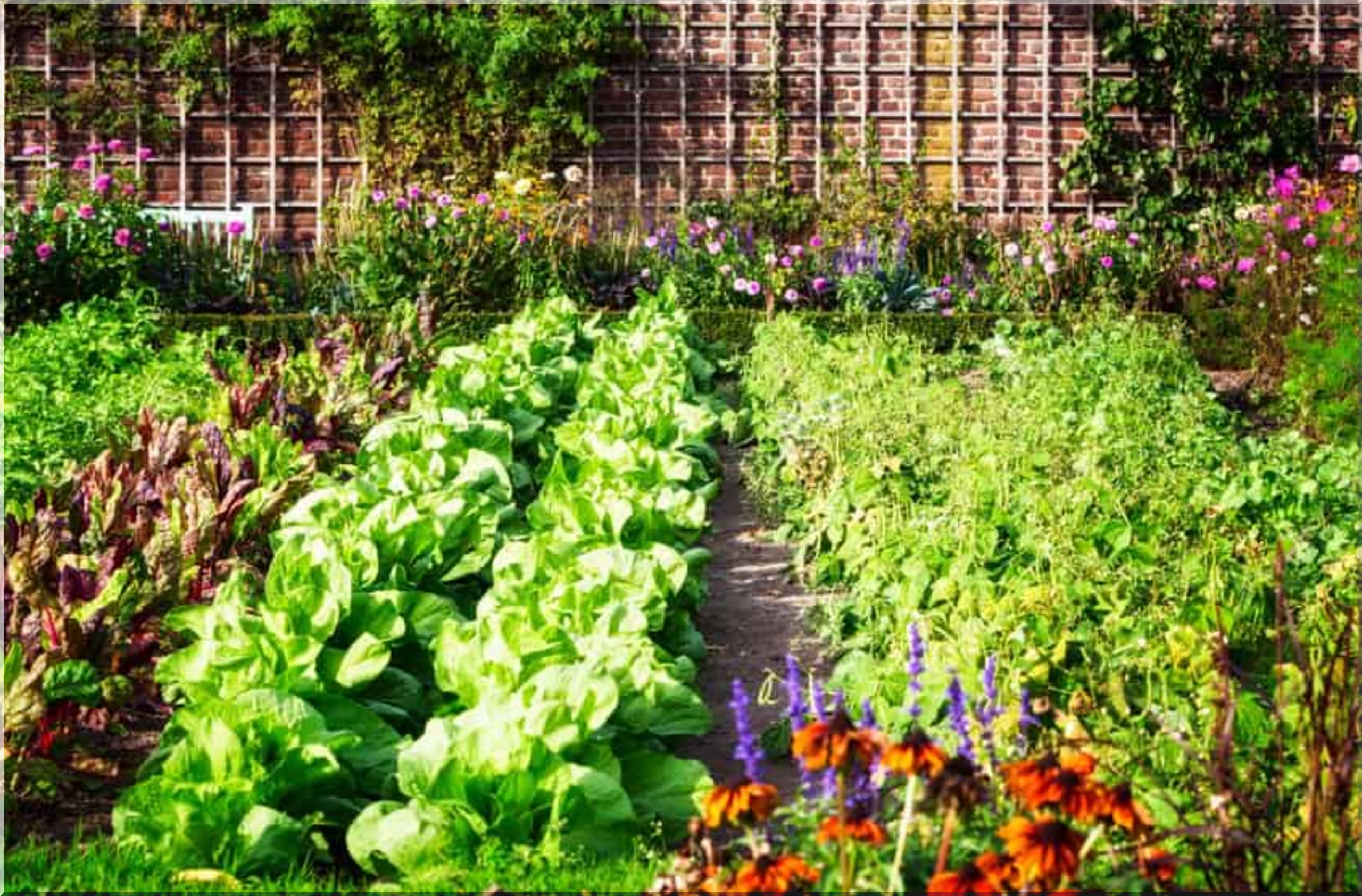
A spring salad garden works because cool weather favors the crops most people want in a salad bowl. Lettuce, spinach, arugula, radishes, peas, chives, parsley, cilantro, kale, and Swiss chard all grow well before summer heat starts bossing everyone around.
The smartest first move comes from restraint. Do not plant every seed packet that winks at you from the Burpee rack. Start with a tight, practical mix:
- One fast leafy green
- One tender green
- One crunchy root crop
- One herb
- One crop that keeps producing after harvest
That gives you variety without turning Saturday morning into agricultural project management.
A good beginner mix might include leaf lettuce, spinach, radishes, chives, and snap peas. Add arugula if you like peppery flavor. Add kale if you want a tougher green that can take chilly nights without sulking.
Choose the Best Spot for Salad Greens
Most cool-season vegetables like bright sun in early spring. Aim for six hours of sunlight a day. If your only space gets four hours, you can still grow leafy greens, herbs, and microgreens. They may grow more slowly, but they will still earn their keep.
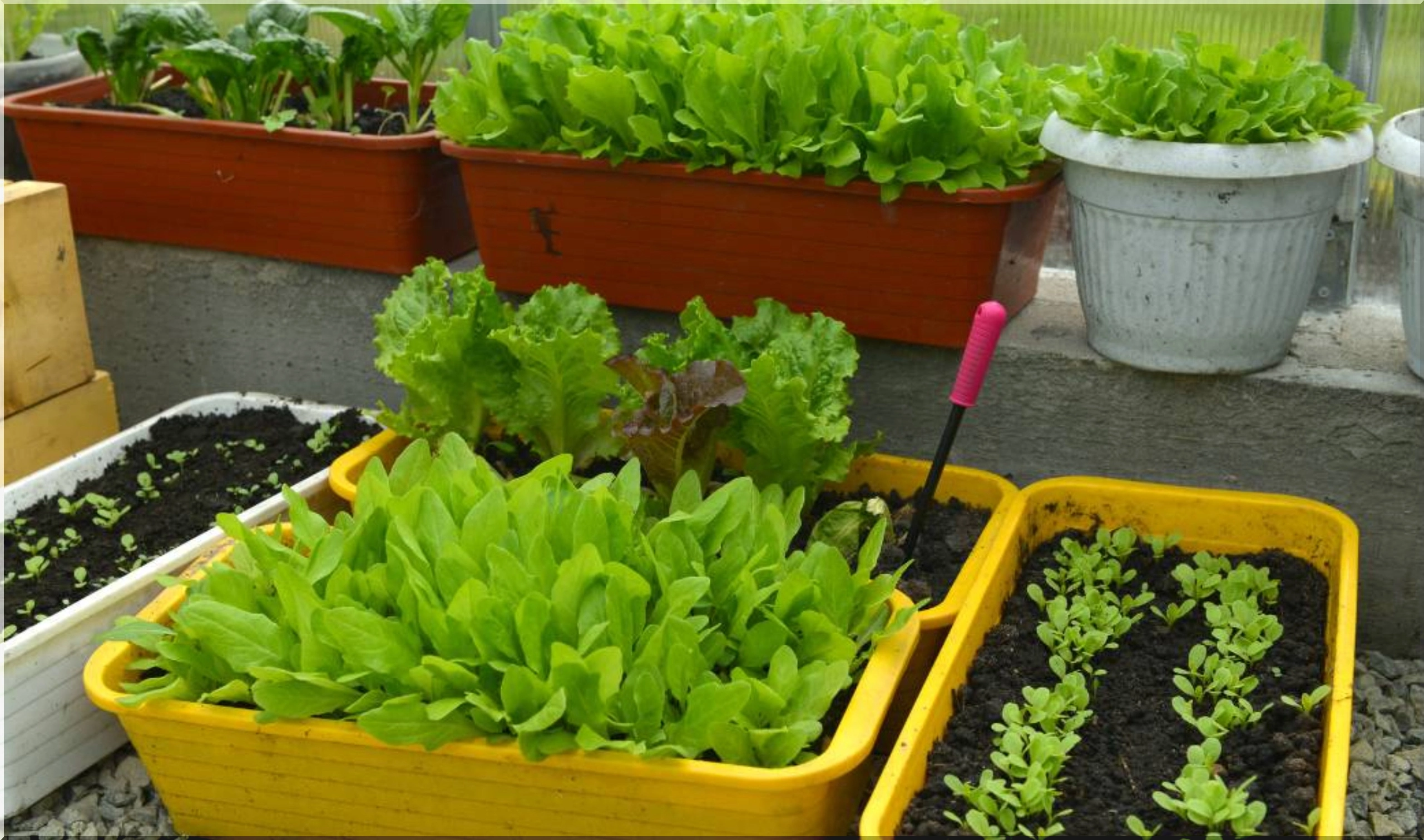
Containers give renters, balcony gardeners, and small-space growers a clean path into salad gardening. A long planter can hold lettuce and arugula. A deeper pot can handle kale or peas. A shallow tray can grow microgreens indoors.
Match Crops to Your Growing Space
| Space | Smart crops | Best setup |
|---|---|---|
| Raised bed | Lettuce, spinach, radishes, peas, kale | Compost-rich soil with steady watering |
| Balcony planter | Leaf lettuce, arugula, chives, parsley | Wide containers with drainage holes |
| Patio pot | Swiss chard, kale, herbs, scallions | Potting mix and daily moisture checks |
| Sunny windowsill | Microgreens, baby herbs | Shallow trays and bright light |
| Small in-ground bed | Radishes, lettuce, spinach, peas | Loose soil and a simple planting grid |
Morning sun helps greens grow without drying them too quickly. Afternoon shade can also help lettuce and spinach last longer when late spring heat arrives.
Pick Crops That Reward You Quickly
A salad garden should give fast returns. Nobody starts gardening because they crave suspense.
Lettuce
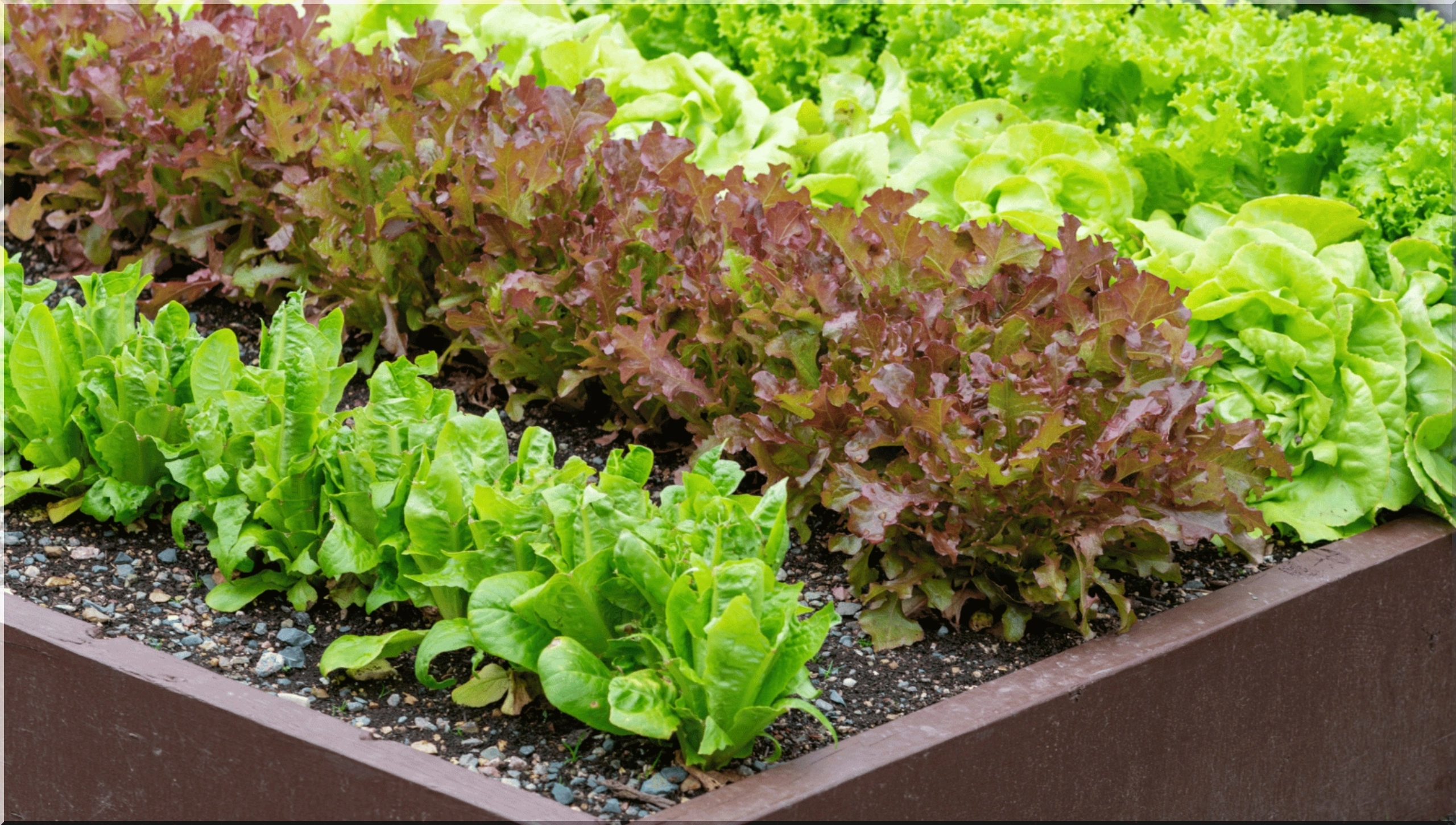
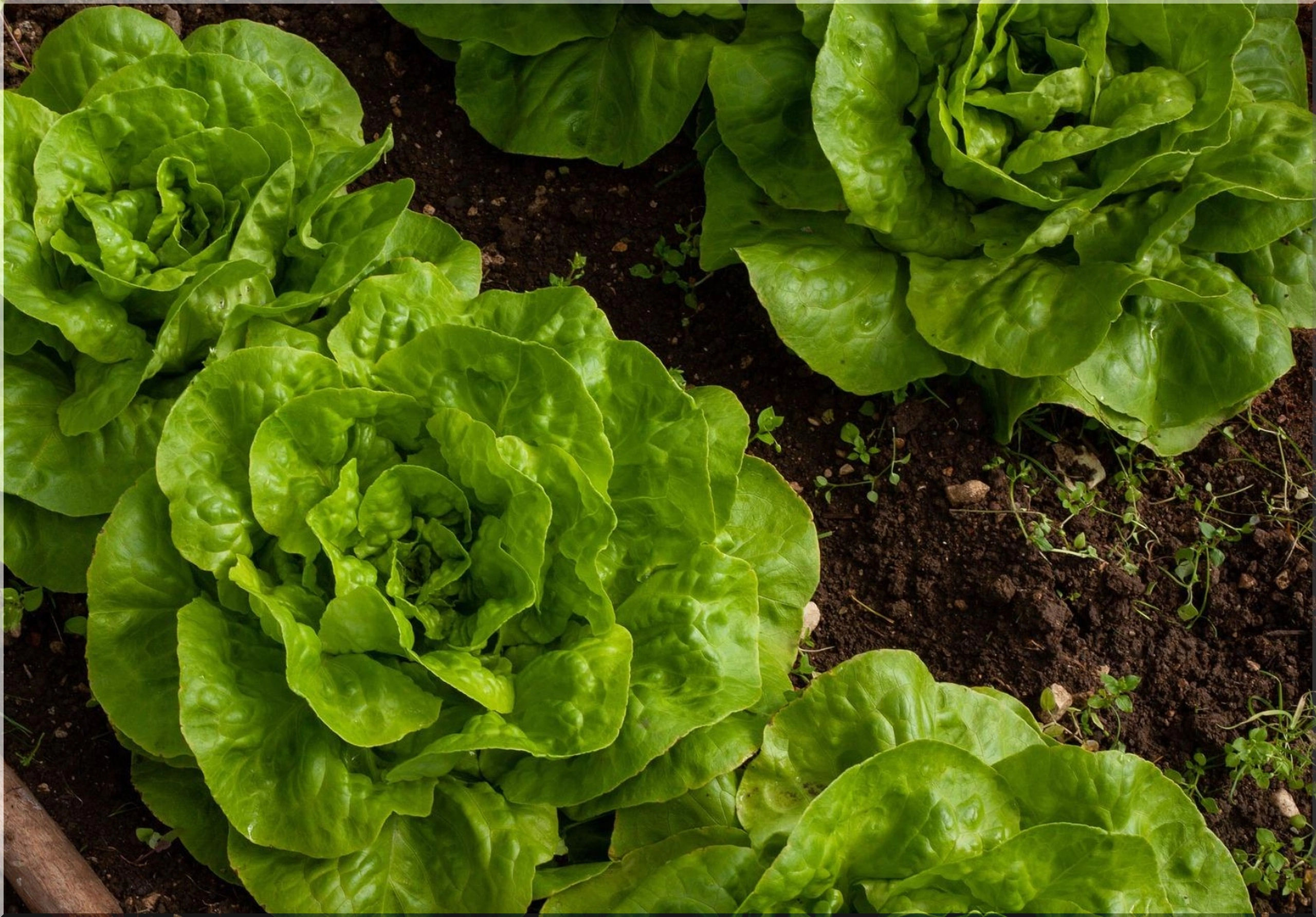
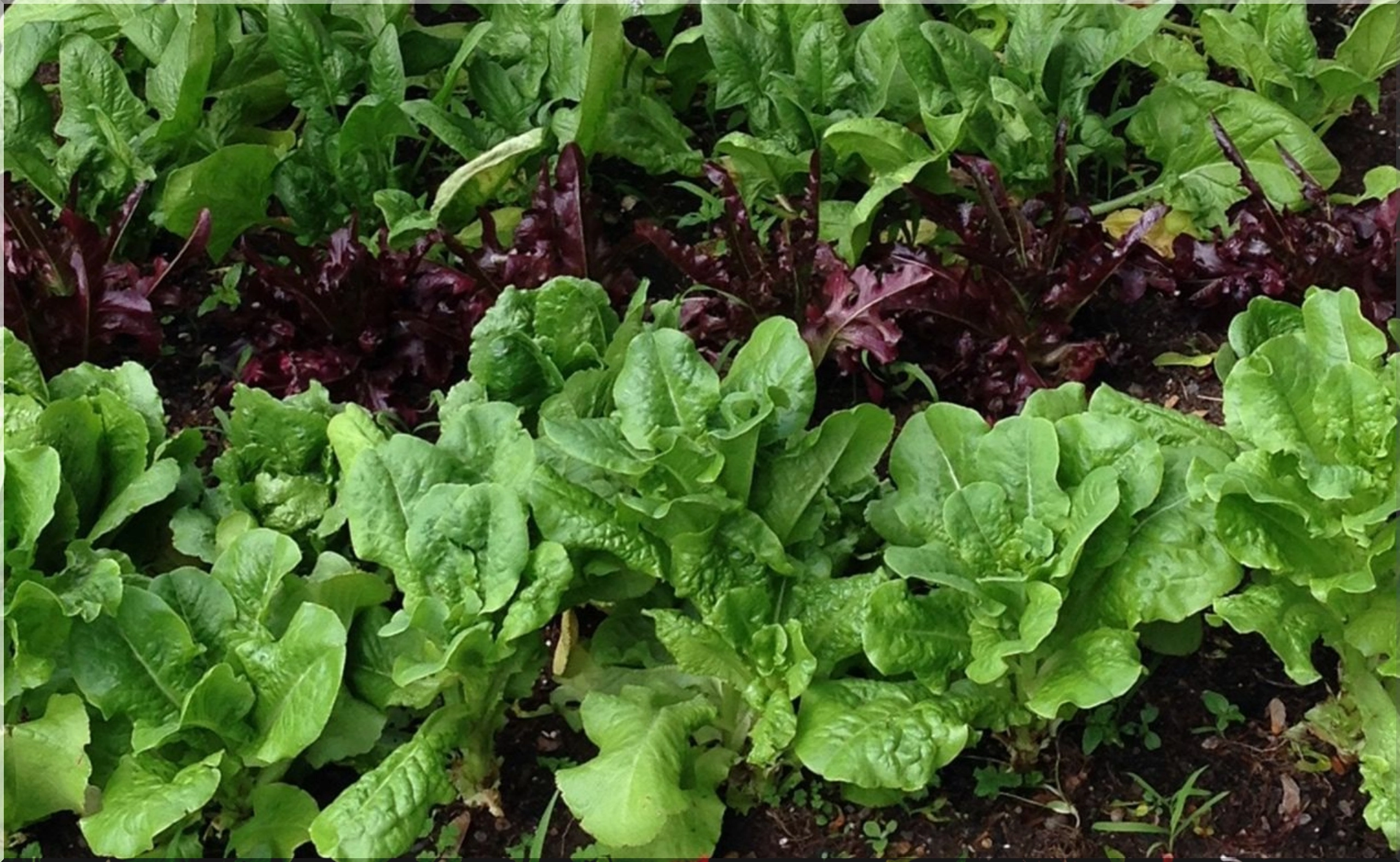
Leaf lettuce deserves prime space. It sprouts readily, grows fast, and lets you harvest outer leaves while the plant keeps producing. Loose-leaf mixes from brands like Ferry-Morse, Burpee, and Johnny's Selected Seeds give you color, texture, and flavor in one packet.
Romaine and butterhead lettuce also work well, though they usually need more time than loose-leaf types.
Spinach
Spinach likes cool air, moist soil, and spring mornings. It brings a softer texture than lettuce and works in salads, eggs, pasta, and soups. That makes it useful even when your salad plan loses to a grilled cheese.
Arugula
Arugula grows fast and brings a peppery bite. It can turn sharp in hot weather, so plant it early and harvest young. Baby arugula tastes better than oversized leaves that have had too much time to develop opinions.
Radishes
Radishes offer speed. Many mature in under a month, which makes them perfect for impatient gardeners and skeptical family members. Pull them when the shoulders rise above the soil and the roots reach usable size.
Herbs
Herbs make salads taste intentional. Chives, dill, parsley, cilantro, and mint all earn their space. Keep mint in its own pot. Mint expands with the confidence of a tech startup after a funding round.
Buy the Right Supplies Without Buying the Whole Garden Center
Gardening stores know how to tempt people. A person walks in for lettuce seed and exits with a copper watering can, three ceramic frogs, and a vague dream about espalier fruit trees.
Stay disciplined. For a beginner salad garden, buy only what helps plants grow.
You need:
- Seeds or starter plants
- Containers with drainage holes
- Potting mix for pots
- Compost for beds
- Plant labels
- A watering can or hose with a gentle nozzle
- Garden scissors or snips
- A small trellis for peas
- Lightweight row cover if pests often visit your yard
Brand names can help when you shop. Fiskars makes dependable snips. Dramm watering wands offer gentle flow for seedlings. Gardener's Supply Company sells sturdy planters and raised beds. Espoma offers widely available organic soil and fertilizer products. Use the brand as a buying shortcut, not as a personality trait.
Build Better Soil Before You Plant
Salad crops grow quickly, so soil quality shows up fast. Weak soil gives weak leaves. Dense soil slows roots. Dry soil turns promising seedlings into tiny regrets.
For raised beds, mix compost into the top several inches. For containers, use fresh potting mix. Do not fill pots with heavy garden soil. It can compact, drain poorly, and leave roots short on air.
Container Depth Guide for Salad Crops
| Crop | Minimum depth | Notes |
|---|---|---|
| Lettuce | 6 inches | Wide planters work well |
| Arugula | 6 inches | Harvest young for best flavor |
| Spinach | 6 to 8 inches | Keep soil evenly moist |
| Radishes | 6 to 8 inches | Thin seedlings early |
| Chives | 6 inches | Good for small pots |
| Kale | 10 to 12 inches | Harvest outer leaves |
| Peas | 10 to 12 inches | Add a trellis |
Pro-Tip: Choose wide containers for greens. Lettuce roots do not need mansion-level depth, but the leaves need space.
Plant Your Spring Salad Garden in Clear Steps
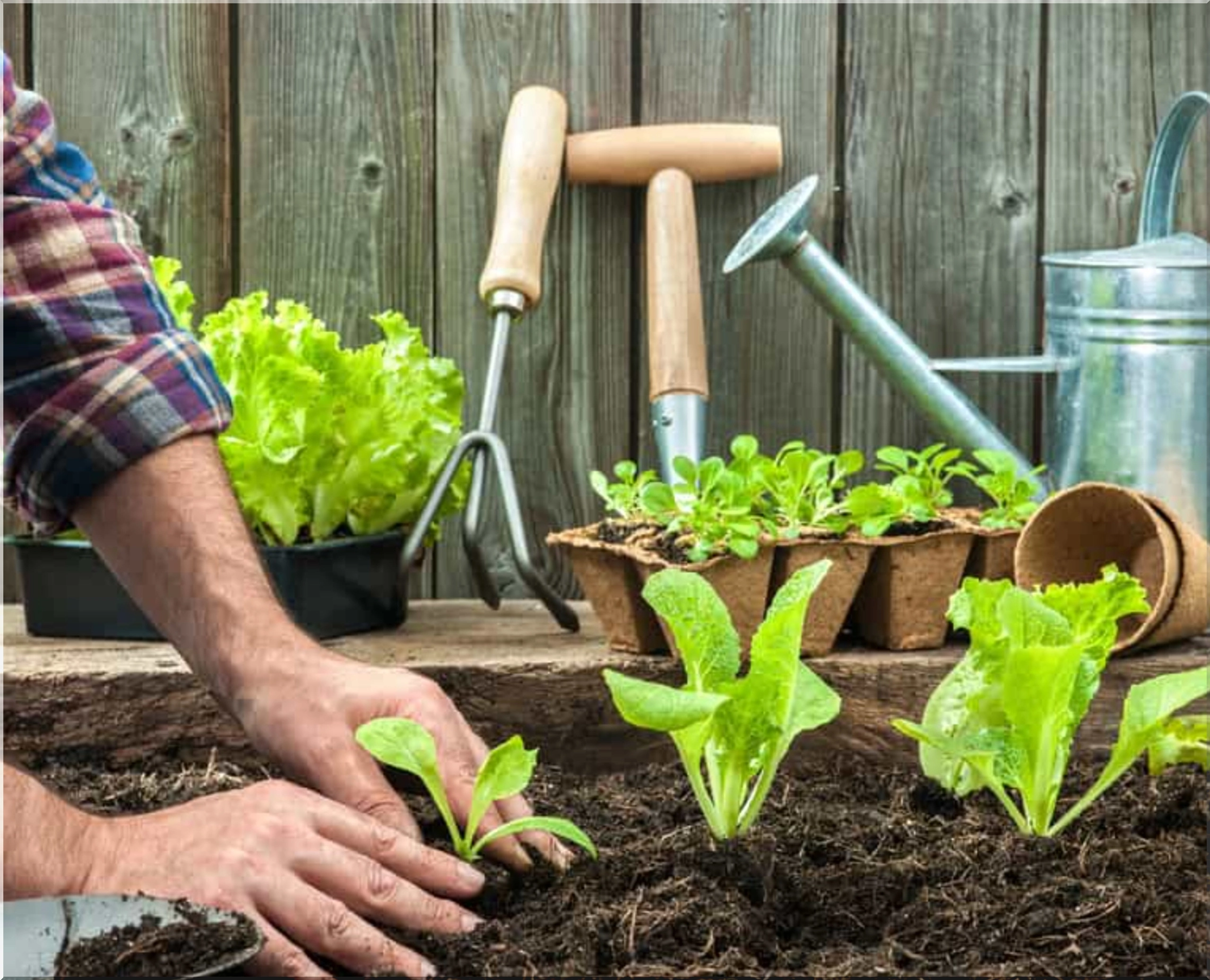
Seeds suit lettuce, spinach, arugula, radishes, cilantro, dill, and microgreens. Starter plants work well for chives, parsley, kale, and Swiss chard.
Use this simple planting order:
- Fill the bed or container with good soil.
- Water the soil lightly before planting.
- Sow seeds at the depth listed on the packet.
- Plant herbs and larger seedlings with room around each crown.
- Label each crop right away.
- Water with a gentle spray.
- Keep the surface moist until seeds sprout.
- Thin seedlings once true leaves appear.
Tiny seeds need shallow planting. Lettuce and arugula do not want a basement apartment. A light cover of soil usually does the job.
Spacing Rules That Prevent Sad Greens
Crowded plants compete for light, water, and nutrients. They also trap moisture between leaves, which can invite disease.
Give loose-leaf lettuce several inches between plants. Give radishes enough room to swell. Give kale and chard more space than you think they need. Small seedlings look polite at first, then they grow into leafy roommates with elbows.
Use Succession Planting for More Harvests
Many new gardeners plant everything in one heroic afternoon. Then every crop matures at once. Suddenly the fridge contains enough lettuce to feed a rabbit retreat.
Succession planting fixes that. Instead of planting one large batch, sow small amounts every two weeks.
A Four-Week Salad Planting Schedule
| Week | What to plant | Why it works |
|---|---|---|
| Week 1 | Lettuce, spinach, radishes, arugula | Starts the first harvest cycle |
| Week 2 | Herbs and peas | Adds flavor and structure |
| Week 3 | More lettuce, radishes, arugula | Keeps fresh crops coming |
| Week 4 | Spinach or chard, if weather stays cool | Extends the green harvest |
This plan keeps the garden productive without forcing you to eat salad three times a day out of civic duty.
Water With Consistency, Not Drama
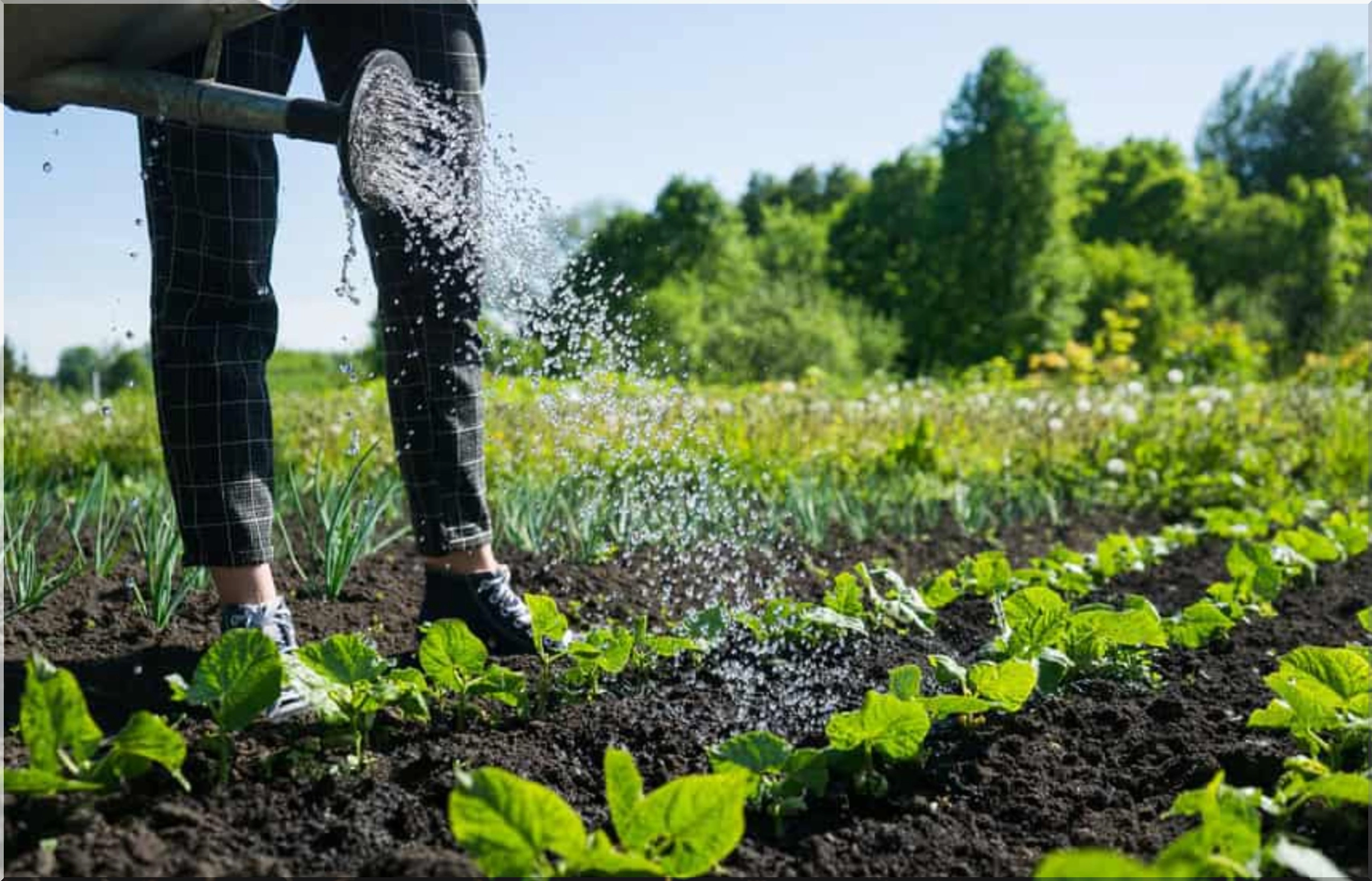
Salad greens need steady moisture. They dislike dry spells, soggy roots, and surprise floods. Containers dry faster than beds, so check them often during warm days.
Water the soil, not the leaves, when possible. Morning watering works well because plants use moisture during the day and any wet leaves dry faster.
Signs Your Greens Need Water
- Soil feels dry one inch down
- Leaves droop in the morning
- A container feels light when lifted
- Seedlings stop growing
- Leaf edges turn brown or crisp
A gentle nozzle helps protect young plants. A hard spray can scatter seeds, flatten seedlings, and create the sort of scene no salad deserves.
Feed Lightly for Tender Growth
Fast-growing greens need nutrients, but they do not need aggressive feeding. Too much fertilizer can push soft growth and reduce flavor.
For raised beds, compost may provide enough nutrition for the first planting. For containers, add a mild organic fertilizer if the potting mix lacks plant food. Follow the label. Gardening does not award extra credit for doubling the dose.
Organic options from Espoma, Jobe's, and Dr. Earth work for many home growers. Pick one designed for vegetables or leafy greens.
Protect Salad Crops From Pests
Slugs, aphids, flea beetles, birds, and rabbits enjoy young greens too. Sadly, they do not read property lines.
Start with physical controls before sprays:
- Use lightweight row cover over new seedlings
- Handpick slugs in the evening
- Keep weeds down around beds
- Space plants for airflow
- Remove damaged leaves
- Use copper tape around containers if slugs keep visiting
- Add netting if birds pull seedlings
For aphids, rinse plants with water and check the undersides of leaves. For flea beetles, cover seedlings early. Once leaves carry dozens of tiny holes, the beetles have already sent invitations.
Harvest Greens the Right Way
The best homegrown salad greens come from young leaves. They taste tender, wash quickly, and encourage repeat harvests.
For loose-leaf lettuce, arugula, kale, and chard, cut the outer leaves and leave the center growing. This cut-and-come-again method stretches the harvest.
For head lettuce, cut the whole head at the base when it reaches the size you want. For radishes, pull them once they size up. Do not let them sit too long, or they may turn woody.
Harvest Tips for Better Flavor
- Harvest in the morning for crisp leaves.
- Use clean scissors to reduce plant damage.
- Rinse greens in cool water.
- Dry leaves before storage.
- Store greens in a container with a paper towel.
- Eat delicate leaves within a few days.
Pro-Tip: Wash only what you plan to use soon if storage space runs tight. Dry leaves keep longer than wet ones.
Grow Microgreens for Instant Salad Power
Microgreens give small-space gardeners a fast win. You can grow them indoors in trays with a bright window or a simple grow light.
Radish microgreens taste spicy. Pea shoots taste sweet and fresh. Sunflower shoots add crunch. Broccoli, kale, mustard, and beet microgreens add color and punch.
Plant seeds thickly in a shallow tray, press them into moist growing medium, and harvest once the first small leaves open. Use clean scissors and cut above the soil line.
Definition: Microgreens are young edible seedlings harvested after their first leaves appear. They differ from sprouts because they grow in a medium and get cut above the root.
Plan for Heat Before It Arrives
Spring salad crops eventually meet warm weather. Lettuce bolts. Spinach slows. Cilantro rushes into flower. This does not mean you failed. It means the season changed.
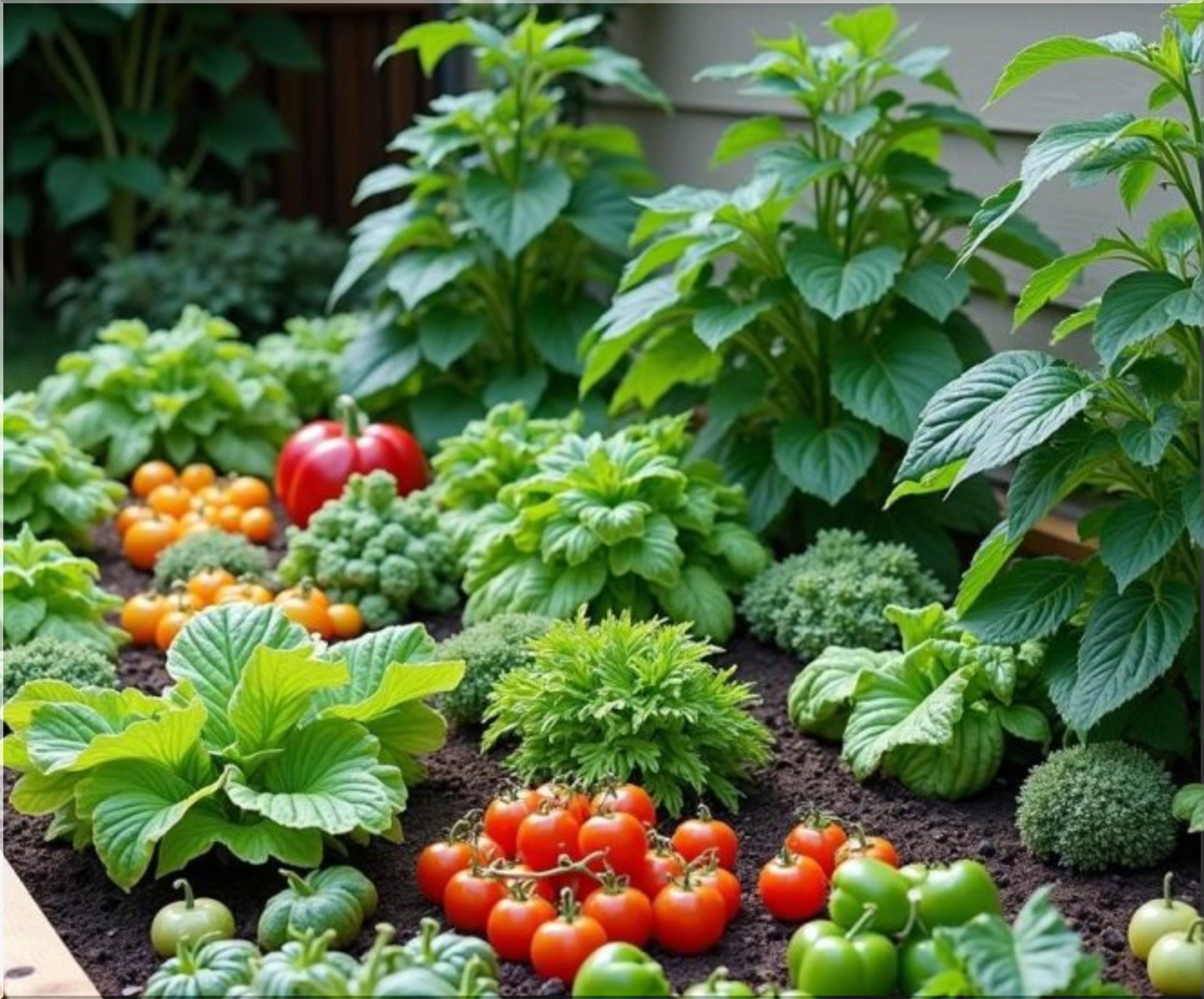
When heat builds, shift the garden. Replace tired greens with basil, bush beans, cucumbers, cherry tomatoes, peppers, or summer herbs. In late summer, sow lettuce, spinach, radishes, arugula, and cilantro again for fall harvests.
A small garden works best when it changes with the calendar.
Common Spring Salad Garden Mistakes
Avoid these errors and your first crop will feel far less mysterious.
Planting Too Much at Once
A wall of lettuce sounds great until it all matures together. Plant smaller batches every two weeks.
Watering Too Hard
A strong hose blast can bury seeds or snap seedlings. Use a soft spray.
Ignoring Thinning
Thinning feels ruthless, but crowded plants grow poorly. Snip extras at soil level and use the baby leaves in a sandwich.
Waiting Too Long to Harvest
Young greens taste better. Mature greens often turn tough or bitter, mainly when heat arrives.
Using Containers Without Drainage
No drainage hole means soggy roots. Soggy roots mean unhappy plants. Choose pots that let water escape.
What Now? Build a Fresh Salad Garden This Weekend
Start with one container or one small raised bed. Fill it with quality soil. Plant leaf lettuce, spinach, radishes, arugula, and chives. Add snap peas if you have room for a trellis.
Two weeks later, plant a second small batch of lettuce, radishes, and arugula. Keep the soil evenly moist. Harvest young leaves. Repeat until heat tells the cool-season crops to clock out.
A spring salad garden does not require perfection. It asks for light, water, space, and a gardener willing to snip lunch before the leaves get too big. Start small, keep planting, and let the salad bowl get fresher one handful at a time.
- Add new comment
- 49 views