Effective Strategies to Prolong the Life of Your Septic System
Key Takeaways
- Regular professional inspections and timely pumping are crucial for keeping your septic system healthy.
- Reducing household water use benefits your septic system's performance and longevity.
- Only biodegradable waste should be placed in the system to prevent blockages and contamination.
- Protecting your drain field is vital for proper wastewater treatment.
- Recognizing warning signs of system failure prevents more serious problems.
Table of Contents
- Regular Inspections and Pumping
- Water Conservation
- Proper Waste Disposal
- Protecting the Drain Field
- Monitoring for Signs of Failure
- Conclusion
Homeowners who depend on a septic system for wastewater management know how crucial regular maintenance is to preventing costly, disruptive issues. Maintaining your system brings peace of mind, reduces major repair expenses, and protects your property for years to come. It all starts with routine care, such as septic tank pumping, which serves as the foundation for a healthy and long-lasting system.
The right approach to septic care goes beyond reacting to problems. Proactive strategies help avoid system failures and promote more efficient wastewater treatment. Understanding these strategies means your septic system will work efficiently, reducing risks of unpleasant backups, environmental contamination, and expensive emergency repairs.
Learning about septic system maintenance ensures you know what to look for and how to protect your investment. Whether you live in a rural area or on the edge of a growing suburb, these best practices apply to any homeowner with a septic system. Following expert advice and establishing a regular schedule may seem like extra effort, but it pays off by safeguarding your home and your environment.
One of the most essential steps is ensuring your system is professionally inspected at regular intervals. You can find reliable local providers for septic tank inspections to make this process easier and more thorough.
Regular Inspections and Pumping
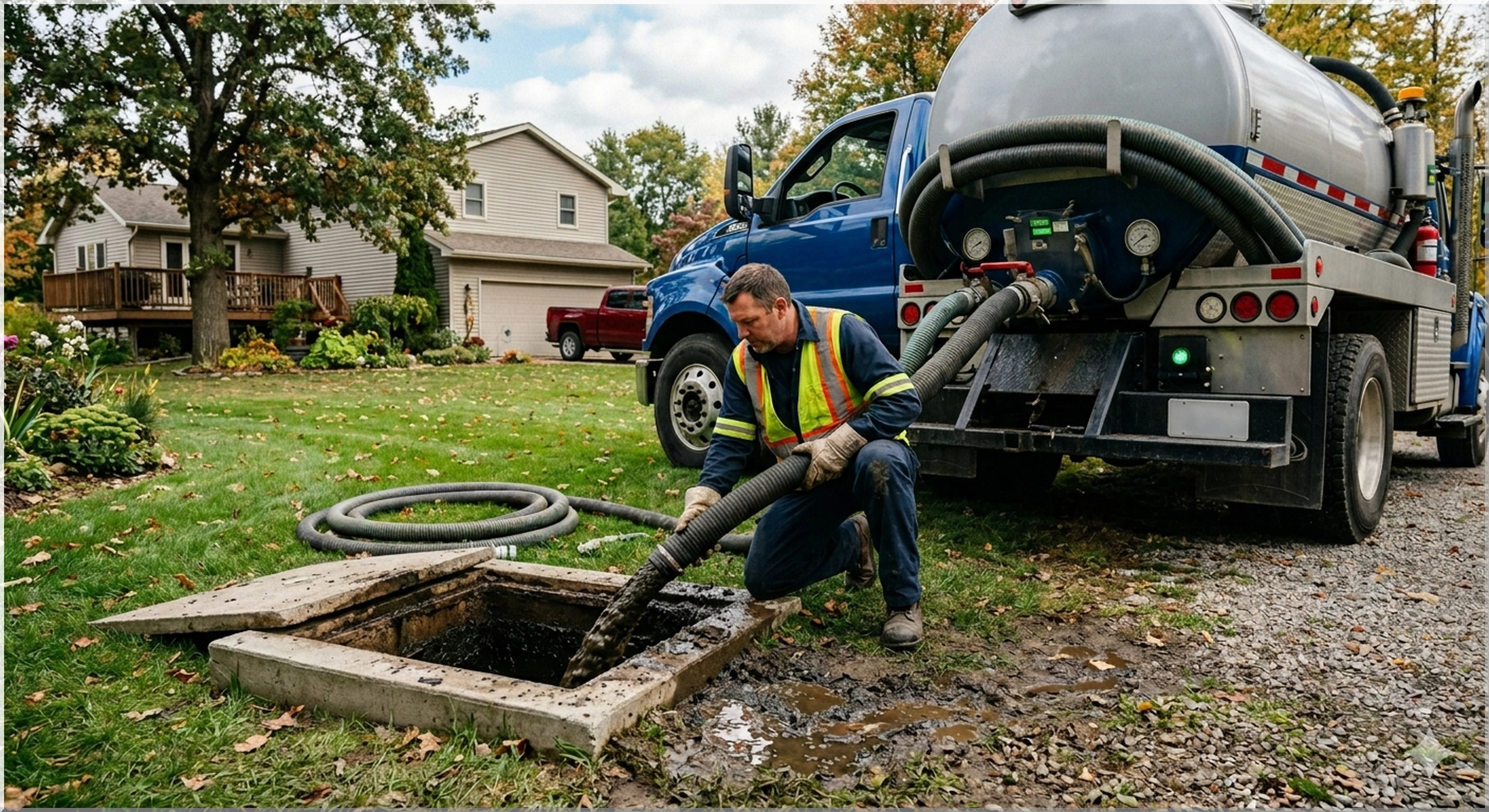
Many septic system issues can be avoided by scheduling routine inspections and professional pumping. It is generally recommended to arrange a professional inspection every 3 years and to have your tank pumped every 3 to 5 years, depending on your household size and water usage. Inspections catch small problems before they become big issues and verify that sludge levels remain manageable. In addition, regular pumping eliminates solids and helps avoid system overload and failure. The U.S. Environmental Protection Agency offers straightforward guidelines to help you determine the right schedule for your home.
Water Conservation
High water usage directly affects a septic system's health. When excess water enters the system, it can overwhelm the system's ability to treat wastewater effectively, leading to backups or drainfield flooding. Reduce water waste by repairing leaks quickly, installing low-flow toilets and showerheads, and using dishwashers and washing machines only with full loads or on efficient cycles. Spreading out water use, such as by doing laundry throughout the week, also reduces sudden, high-volume flows that strain your septic system. The U.S. Environmental Protection Agency highlights how water conservation benefits both home systems and local water quality.
Proper Waste Disposal
Taking care with what you flush or pour down your drains guards your system from damage. Only human waste and toilet paper should enter your septic tank. Items such as wipes, cotton swabs, feminine hygiene products, dental floss, and diapers do not break down easily and can cause clogs or slow decomposition within the tank. Cooking grease, oils, chemicals, and medicines should also be kept out of drains, as they can kill vital bacteria inside the tank or form blockages. Limit the use of garbage disposals, which introduce extra solids and can require the system to be pumped more often.
Protecting the Drain Field
The drain field provides natural filtration for wastewater before it returns to the soil. Take care that the area remains free of heavy equipment, parked vehicles, or construction materials to prevent soil compaction or broken pipes. Tree roots can infiltrate and damage your septic field, so plant only grass or shallow-rooted vegetation near this area, keeping trees and shrubs at a distance. Divert roof gutters, downspouts, and sump pump discharges away from the drain field to avoid oversaturating the soil and upsetting the filtration process. Consumer Reports offers insight into maintaining your drain field and landscaping safely.
Monitoring for Signs of Failure
Early detection can stop septic issues from escalating. Signs of trouble include slow-draining toilets or sinks, foul odors near the tank or the drain field, unusually soggy or green patches on your lawn, or water pooling where it shouldn't. If you notice any of these warning signs, it is important to contact a septic professional promptly. Timely action can mean the difference between a minor service call and a full-scale repair or system replacement.
Conclusion
Protecting your septic system is easier than dealing with the aftermath of a failure. Regular septic tank pumping and professional septic tank inspections help keep your system working efficiently year after year. Practical steps like reducing water waste, careful disposal habits, and protecting the drain field all work together to extend your system's life and preserve your property. Making septic maintenance a priority will help keep everything running smoothly for many years ahead.
- Add new comment
- 84 views