Our bedrooms should be our sanctuaries—a place where we can unwind, relax, and enjoy a good night’s sleep. However, many people unknowingly make bedroom design mistakes that disrupt their peace and comfort. These common errors can impact not just the aesthetic appeal of your room but also your ability to rest well.
In this article, we'll explore the four most common bedroom design mistakes that keep us up at night and how to avoid them. By identifying these issues and making a few simple changes, you can transform your bedroom into the restful retreat it was always meant to be.
1. Choosing the Wrong Color Palette
Color psychology plays a crucial role in how we feel and behave in different environments. The colors you choose for your bedroom can have a significant impact on your mood and your ability to sleep.
Why It’s a Problem
Bright and bold colors like red, orange, and yellow may energize the mind, making it difficult to wind down. These colors are better suited for active spaces like the living room or kitchen. On the other hand, overly dark tones, while cozy, can create a cave-like atmosphere that might feel oppressive rather than comforting.
The Solution
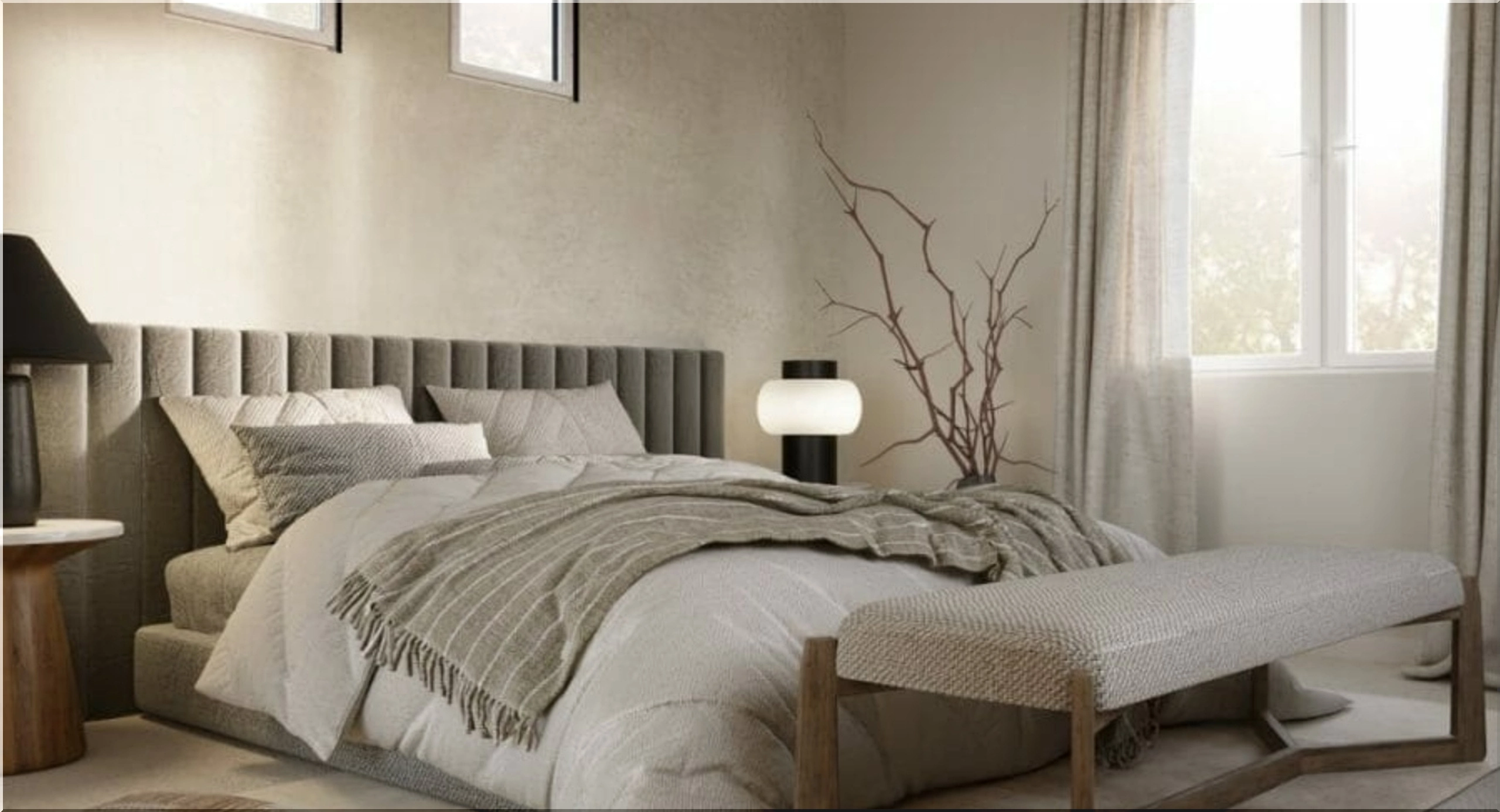
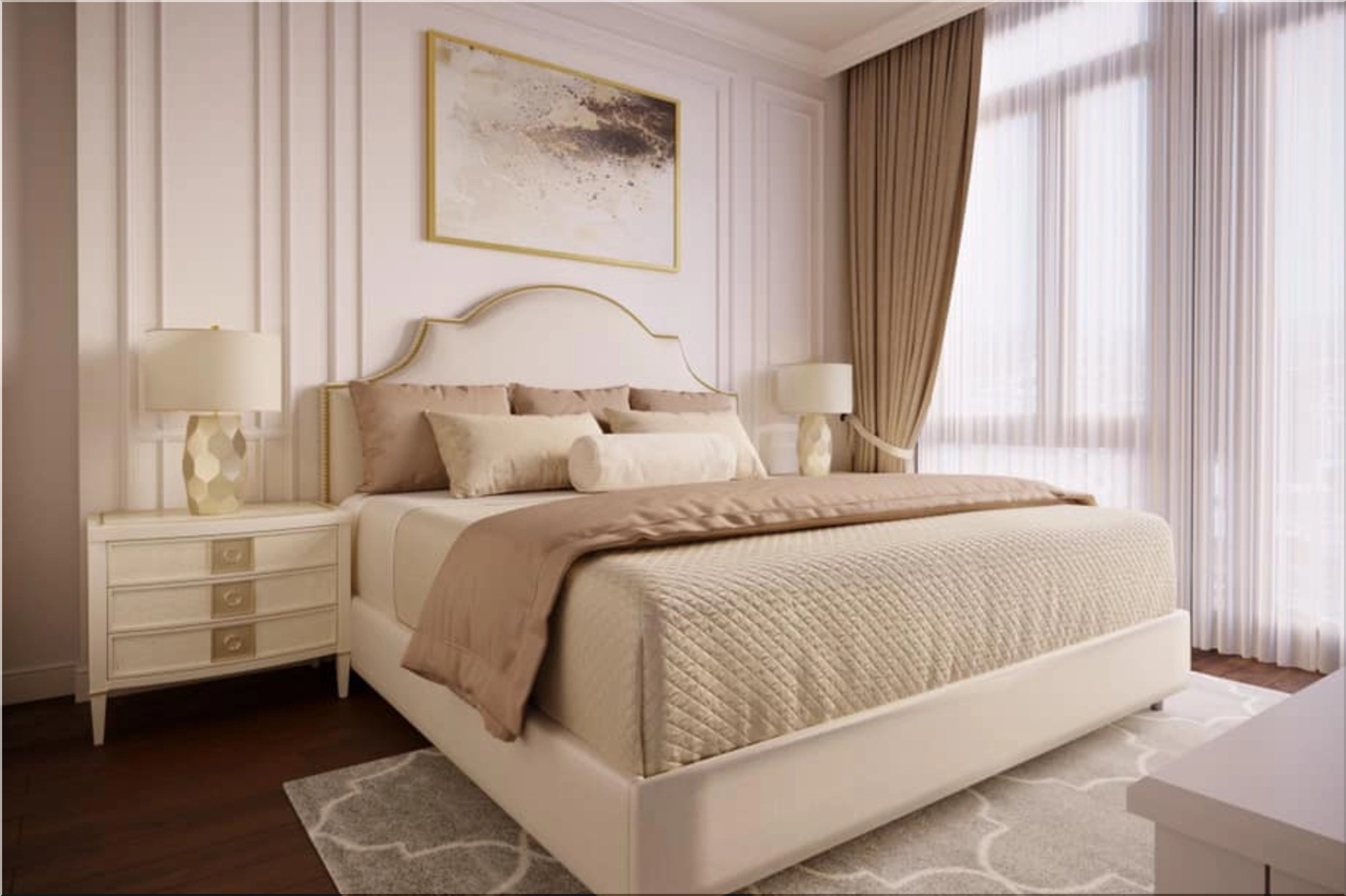
Opt for soothing colors like soft blues, greens, and neutrals. These shades have a calming effect, promoting relaxation and sleep. Muted pastels and earth tones are also excellent choices, as they bring warmth without being overwhelming.
Pro Tip: If you love bright colors, consider incorporating them in small accents—like throw pillows, artwork, or a feature wall—while keeping the overall color scheme soft and neutral.

2. Overcrowding the Room with Furniture
It’s tempting to fill your bedroom with furniture, especially if you have a large space. However, too much furniture can make your room feel cluttered and cramped, which can cause stress and anxiety.
Why It’s a Problem
A cluttered room leads to a cluttered mind. When your bedroom is filled with too many pieces of furniture, it can overwhelm your senses, making it difficult to relax. Moreover, bulky furniture can disrupt the flow of the room, making it harder to move around comfortably.
The Solution
Less is more when it comes to bedroom furniture. Focus on essential pieces that serve a purpose, such as a bed, bedside tables, and a dresser. If you have extra space, consider adding a reading chair or a small desk. However, ensure there’s plenty of open space to move around freely.
Pro Tip: Choose furniture that has a dual purpose, such as a bed with storage drawers underneath or a nightstand that doubles as a desk. This way, you can minimize the number of pieces while maximizing functionality.
3. Ignoring the Importance of Lighting
Lighting is often overlooked when designing a bedroom, yet it’s one of the most crucial elements in creating a comfortable and inviting space. Poor lighting can lead to eye strain, headaches, and even disrupt your sleep cycle.
Why It’s a Problem
Overhead lights can be too harsh for a bedroom, creating an environment that’s more suitable for working than relaxing. On the other hand, too little light can make the room feel dark and uninviting. Lack of natural light is also a common issue, which can affect your mood and overall well-being.
The Solution
Layer your lighting to create a balanced and inviting atmosphere. Start with a dimmable overhead light to provide general illumination. Then, add task lighting such as bedside lamps for reading and accent lights to highlight specific areas or features in the room.
Pro Tip: Consider installing blackout curtains to control natural light exposure, especially if your room receives a lot of sunlight during the day. This can help regulate your circadian rhythm, promoting better sleep.
4. Neglecting the Bed: The Focal Point of the Room
The bed is the centerpiece of any bedroom, yet it’s often neglected in terms of both design and quality. Your choice of bed frame, mattress, and bedding can make or break the comfort and style of your room.
Why It’s a Problem
An uncomfortable bed can lead to restless nights, back pain, and overall discomfort. A bed that doesn’t suit the room’s style can also throw off the entire design, making the space feel disjointed. Additionally, a poorly positioned bed can disrupt the room's balance, impacting both the flow and the feng shui of the space.
The Solution
Invest in a high-quality mattress and bedding that provides both comfort and support. Choose a bed frame that complements the room’s overall design, whether it’s a sleek, modern platform bed or a classic wooden frame. Ensure the bed is positioned in a way that promotes good energy flow—preferably with the headboard against a solid wall and enough space around the bed to move freely.
Pro Tip: Add layers of comfort with luxurious bedding, such as a plush duvet, soft sheets, and a mix of pillows in different sizes and textures. This not only enhances the comfort of your bed but also adds visual interest to the room.

Bonus Tip: Personalizing Your Space
While avoiding these common design mistakes is important, don’t forget to infuse your personality into your bedroom. This space should reflect your tastes, interests, and lifestyle, making it truly your own.
How to Personalize
- Incorporate personal items like family photos, artwork, or souvenirs from your travels.
- Add a touch of nature with indoor plants, which can purify the air and bring a sense of calm to the room.
- Choose a signature scent for your bedroom, whether it’s through candles, diffusers, or fresh flowers, to create a space that smells as good as it looks.
Pro Tip: Keep personal items organized and in harmony with the room’s overall design to avoid clutter and maintain a cohesive look.
Final Thoughts
Designing a bedroom that’s both stylish and restful requires attention to detail and a focus on comfort. By avoiding these common bedroom design mistakes, you can create a space that not only looks good but also promotes better sleep and overall well-being.
Remember, the key to a successful bedroom design is balance—balancing color, furniture, lighting, and personal touches to create a harmonious and inviting environment. Make these adjustments, and you’ll find yourself sleeping better and waking up refreshed, ready to take on the day.
Your bedroom should be your retreat from the world, a place where you can recharge and find peace. Don’t let design mistakes keep you up at night—make the changes today and start enjoying the restful sanctuary you deserve.